As a parent, you want your child to have healthy teeth for life. Establishing good habits early and getting appropriate professional care sets them up for success.
When to Start Dental Care
Start brushing your baby’s teeth as soon as they erupt. Usually around 6 months. Use a tiny soft-bristled toothbrush and water (no toothpaste) initially. Schedule your child’s first dental visit by age one or when their first tooth erupts.
Home Care for Young Children
Brush twice daily with a soft toothbrush. A smear-sized amount of fluoride toothpaste for children under 3. A pea-sized amount for children 3-6. Larger amounts for children over 6. Supervise brushing until age 8 or so. Children lack the motor skills and judgment for thorough brushing earlier. Floss once daily starting when teeth contact each other. Help your child until they can do it independently (usually around age 8-10).
Dietary Considerations
Limit sugary foods and drinks. Sugar feeds cavity-causing bacteria. Avoid giving juice or sweetened drinks in bottles during the day or bedtime. This bathes teeth in sugar. Encourage water and milk as primary beverages. Don’t use food as a reward or comfort mechanism.
Professional Care
Dental checkups every six months starting at age one. More frequent visits if your child has cavities or high decay risk. Professional cleanings twice yearly. Fluoride treatment to strengthen enamel. Dental sealants on back teeth once permanent molars erupt.
Preventing Cavities
Establish excellent brushing and flossing habits. Limit sugary foods. Regular cleanings and fluoride are critical. Sealants are highly effective on back teeth.
Managing Cavities
Even with excellent care, some children get cavities. Don’t blame yourself. Genetics play a role. Treat cavities early. Small cavities are easily filled. Address the cause. Is it diet? Brushing technique? Dry mouth?
Dental Anxiety in Children
Many children are nervous about dental visits. Support their comfort. Choose a pediatric dentist experienced with children. Allow your child to ask questions. Explain appointments in kid-friendly terms. Reward brave behavior (not with candy!). Your calm attitude influences your child’s response.
Fluoridated Water
If your community has fluoridated water, your child benefits automatically. If you use well water or bottled water without fluoride, discuss fluoride supplementation with your dentist.
Orthodontics
Most children don’t need early orthodontic treatment. By age 7, permanent teeth are beginning to erupt. Your dentist watches for problems. If orthodontics is needed, timing is usually mid-teens when most permanent teeth are erupted.
Injury Prevention
Protect teeth during sports. Use properly fitted mouthguards. Avoid falls through safety measures. Teach your child not to use teeth as tools.
Habits
Thumb-sucking or pacifier use usually stops naturally by age 4-5. If it persists beyond age 6, discuss with your dentist. Mouth breathing contributes to decay and orthodontic problems. Address nasal congestion if present.
Transition to Independence
As your child ages, gradually shift responsibility to them. Still supervise brushing until age 10 or so. Help them understand why good habits matter. Make dental care routine, not punitive.
Real-World Example
Sarah ensured her son got dental care starting at age one, even though he had no cavities initially. By age 10, he had excellent oral hygiene habits and zero cavities. His early dental care education established lifelong healthy habits.
Long-Term Impact
Children who develop good dental habits and healthy attitudes about dentistry maintain those habits as adults. The foundation you build now affects their lifetime dental health.
Getting Started
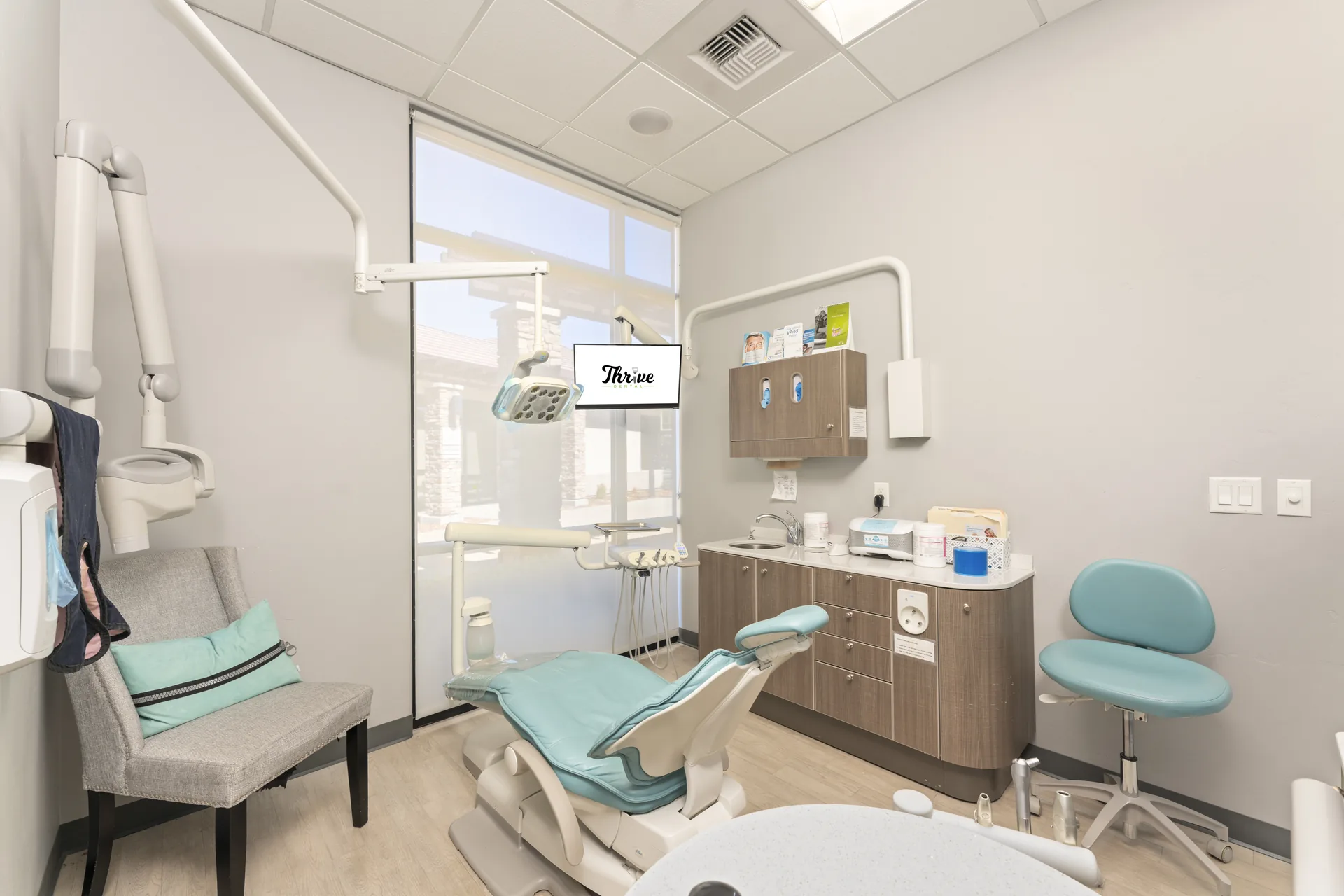
If your child hasn’t seen a dentist, schedule their first visit at Thrive Dental in Santa Clara. We welcome children and make them comfortable. We educate both parents and children on maintaining healthy teeth. Your child’s smile deserves great care. Let us help.