
TMJ Disorder Treatment in Stockton, CA
Thrive Dental Stockton
Stockton Office Details
Address
3031 W March Ln #328, Stockton, CA 95219
Phone
(209) 594-0485Hours of Operation
Evening and weekend hours available. Call for details.
Insurance
We accept most major dental insurance carriers. Call us to verify your coverage.

TMJ Disorder Treatment at Thrive Dental Stockton
TMJ Disorder Treatment in Stockton
If you experience jaw pain, clicking or popping sounds when you chew or speak, difficulty opening your mouth, or headaches, you may have a temporomandibular joint (TMJ) disorder. These conditions affect the joints that connect your lower jaw to your skull and can significantly impact your quality of life. At Thrive Dental in Stockton, we diagnose and treat TMJ disorders to eliminate pain and restore normal jaw function.
Serving Stockton and the surrounding San Joaquin Valley including Ripon, Lathrop, Tracy, Manteca, and Lodi, we understand that jaw pain is often overlooked as a dental issue, with many patients seeking treatment from multiple healthcare providers before discovering the source. TMJ disorders are common, particularly in areas with high stress like growing urban centers. Stress causes muscle tension, teeth grinding, and jaw clenching that aggravate TMJ problems.
What Is TMJ Disorder
Your temporomandibular joint is a complex hinge joint that allows your jaw to move up and down, side to side, and forward. It’s supported by muscles, ligaments, and a cartilage disc. When this system is thrown out of balance through clenching, grinding, poor posture, stress, or injury, the disc can slip out of position, muscles tighten, and pain results.
TMJ disorder symptoms vary widely. Some patients experience only occasional clicking that doesn’t hurt. Others have chronic pain that affects eating, speaking, and sleeping. Some patients develop tension headaches that radiate from the jaw joint. These varied presentations mean that TMJ disorders are often misdiagnosed or overlooked entirely.
Common Causes
Stress and tension are leading causes of TMJ disorders. Clenching and grinding your teeth, particularly at night or during stressful periods, strains the TMJ. Poor posture, especially looking down at screens for hours, shifts your bite and strains your jaw joint. Trauma or injury to the jaw can trigger TMJ dysfunction. Some people are simply predisposed to joint problems due to genetics or connective tissue conditions.
Stockton residents dealing with the stress of urban life, work pressures, and family responsibilities often experience TMJ symptoms. We find that patients sometimes don’t realize their jaw pain is stress-related until we discuss their situation comprehensively.
Evaluation and Diagnosis
When you visit our Stockton office with jaw pain or dysfunction, we perform a thorough evaluation. We palpate the TMJ joints to feel for clicking, popping, or pain. We assess your range of motion and how your teeth come together. We take digital imaging to evaluate joint structure. We ask detailed questions about your symptoms, when they started, what aggravates them, and what provides relief.
This comprehensive evaluation helps us identify the specific cause of your TMJ disorder, which is essential because treatment depends on the underlying problem. Muscle tension requires different treatment than a displaced disc or joint degeneration.
Conservative Treatment Approaches
Most TMJ disorders respond well to conservative treatment that doesn’t require surgery or invasive procedures. We often start with a nightguard, a custom-fitted appliance you wear while sleeping that prevents teeth clenching and grinding. Nightguards eliminate the constant stress on your TMJ and allow muscles to relax.
Physical therapy and jaw exercises strengthen supporting muscles and improve jaw alignment. We teach you proper posture and techniques to reduce clenching during the day. Over-the-counter or prescription anti-inflammatory medications can reduce pain and inflammation while you’re addressing underlying causes. Heat and cold therapy, alternating between heat to relax muscles and cold to reduce inflammation, provides symptom relief.
Stress reduction is critical. For many Stockton patients, reducing stress through exercise, meditation, or counseling helps tremendously. We’ll discuss stress management strategies that might help your particular situation.
Advanced Treatment Options
If conservative treatment doesn’t provide adequate relief, we have advanced options. Injections of therapeutic agents directly into the TMJ can reduce inflammation and pain. Bite adjustment or orthodontic treatment may be necessary if your bite is contributing to TMJ problems. In rare cases where conservative and advanced conservative treatments fail, surgery may be considered, though we typically exhaust less invasive options first.
Lifestyle Modifications
Lifestyle changes support TMJ treatment and prevent relapse. Avoid very hard or chewy foods that require excessive jaw force. Eat smaller bites and chew slowly with both sides of your mouth. Avoid resting your chin on your hand, which stresses the joint. Maintain good posture, especially when working at a computer. Manage stress through exercise, adequate sleep, and relaxation techniques. Practice jaw awareness, noticing when you’re clenching during the day and consciously relaxing.
These simple modifications can significantly improve your symptoms and prevent worsening of your TMJ disorder.
Long-Term Management
TMJ disorders often require long-term management rather than a single cure. Once you’ve found relief, maintaining it through nightguard use, stress management, and proper habits prevents relapse. Many patients wear their nightguard indefinitely as part of their routine, accepting it as a small price for freedom from jaw pain.
Regular check-ups at our Stockton office allow us to monitor your condition and adjust treatment as needed. If you develop new symptoms or your current treatment becomes less effective, we can modify your approach.
Relief Is Possible
Jaw pain doesn’t have to be something you live with. Most TMJ disorders respond well to appropriate treatment. If you’re experiencing jaw pain, clicking, or dysfunction, don’t assume you simply have to accept it. Call us at (209) 594-0485 or schedule online to have your TMJ evaluated and discuss treatment options that can restore comfort and function.
Related Services in Stockton
View all specialty servicesAll Dental Services in Stockton
General Dentistry
Cosmetic Dentistry
Restorative Dentistry
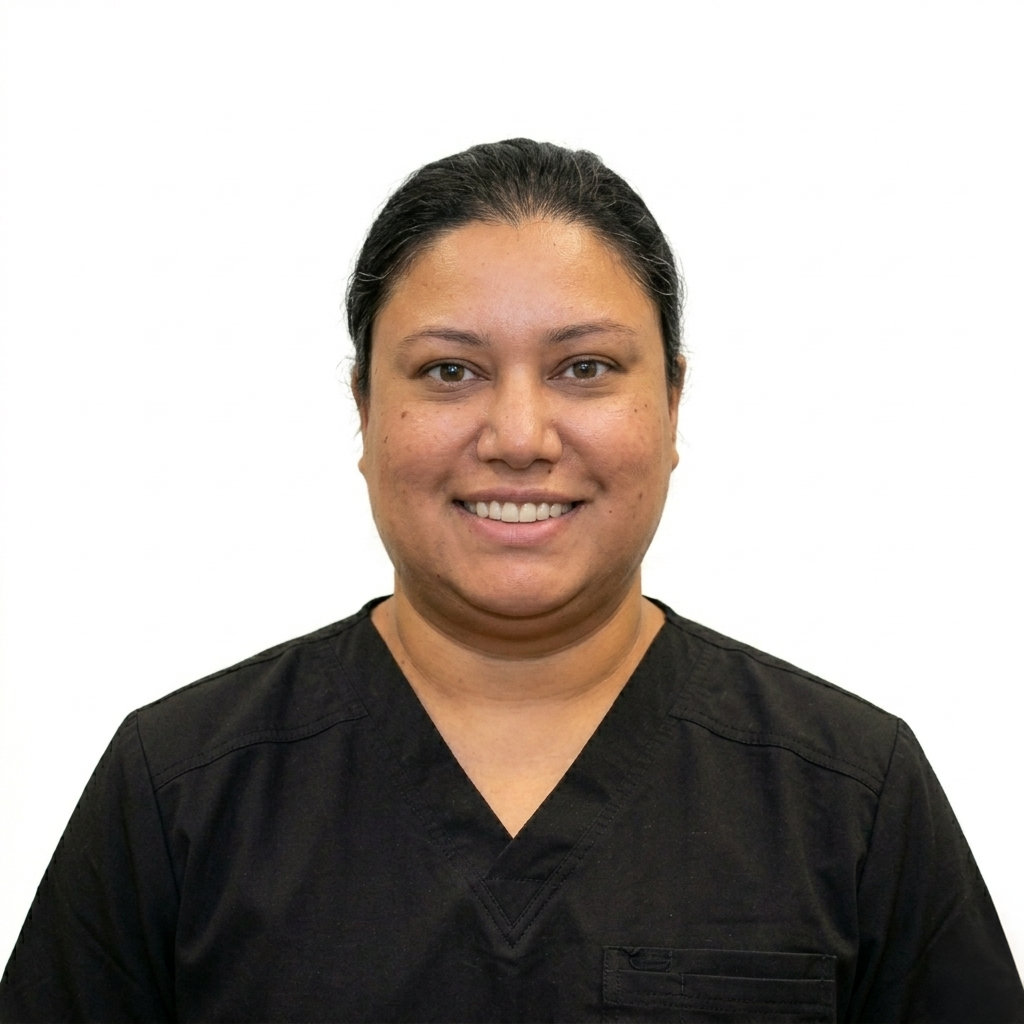
Meet Your Stockton Dentists

Dr. Gursimrat Sekhon
DDS
DDS - University of Southern California
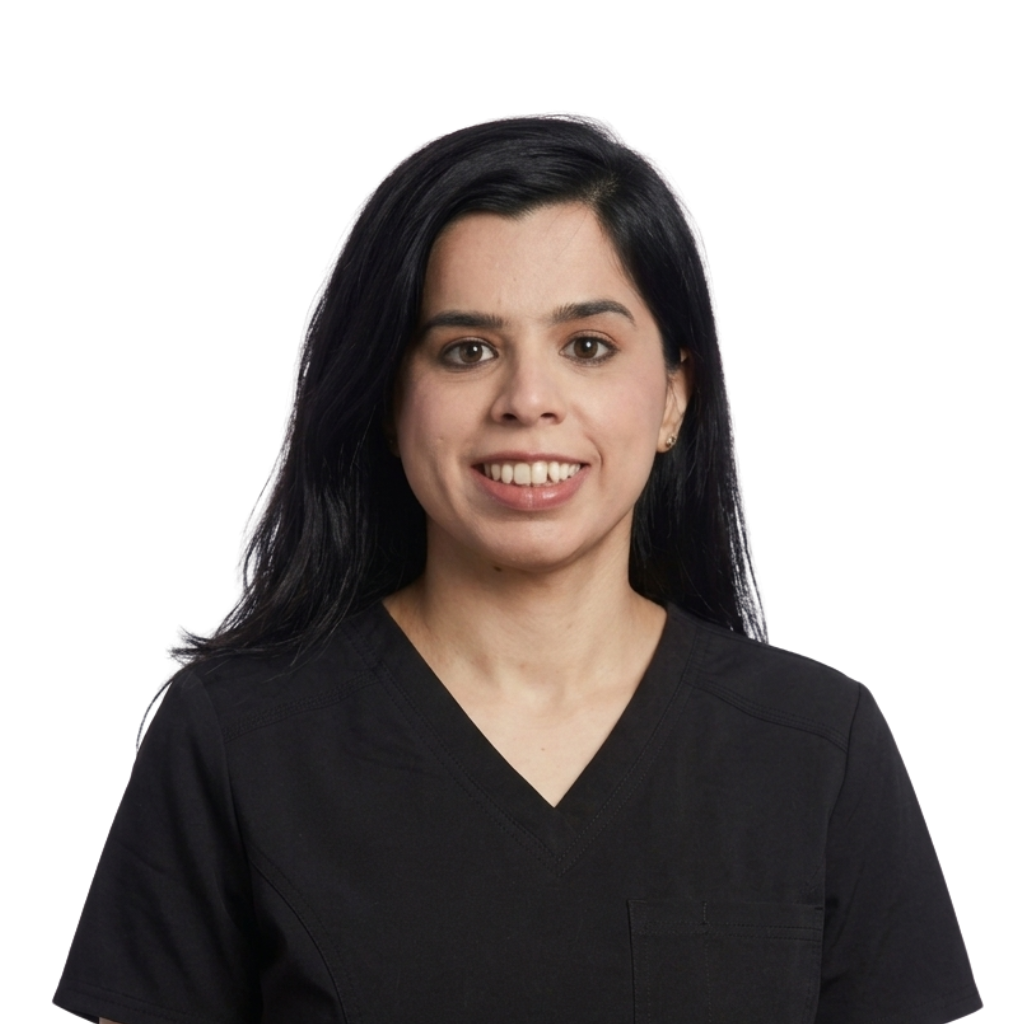
Dr. Sabrina Mangat
DDS
DDS - University of Illinois
Dr. Shruti Kanda
DMD
DMD - University of New England College of Dental Medicine

Dr. Inderpreet Singh
DDS
DDS - UCLA School of Dentistry

Dr. Priya Chandnani
DDS
DDS - Herman Ostrow School of Dentistry of USC
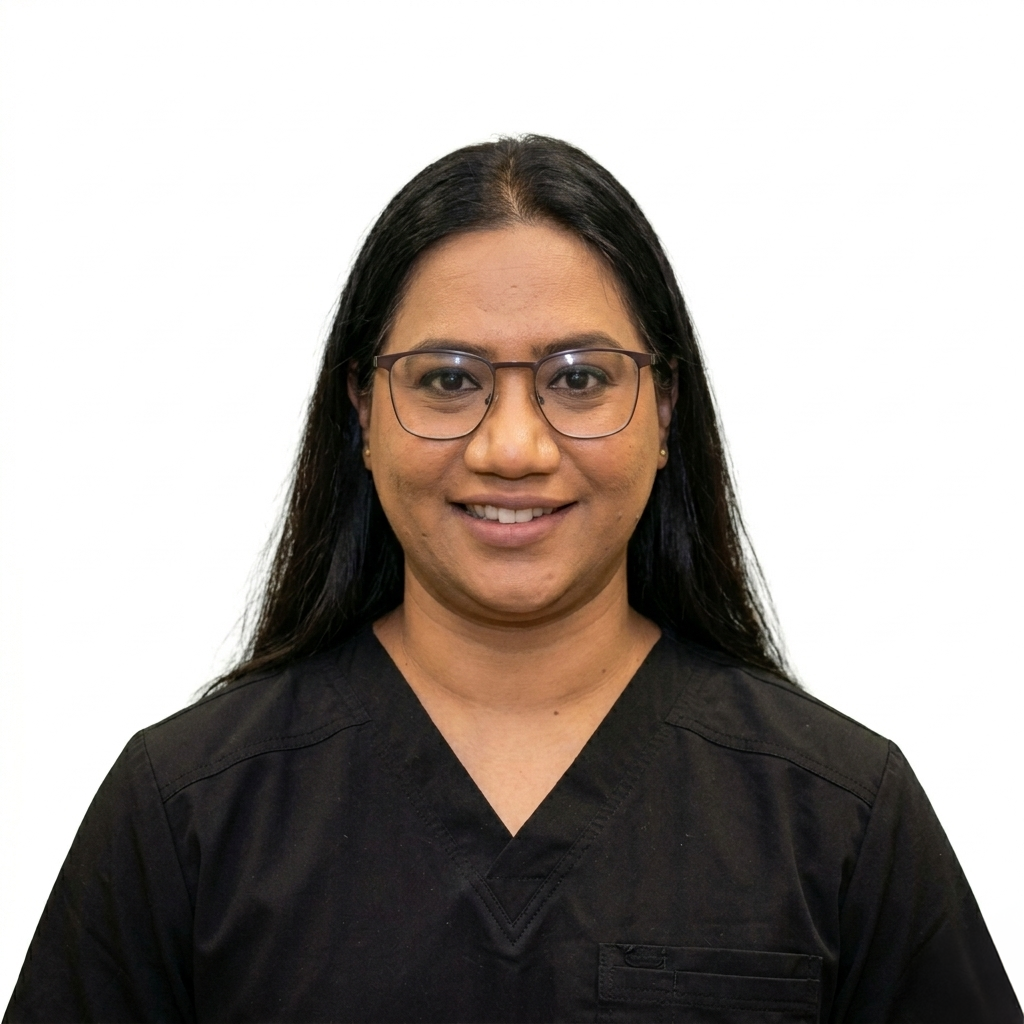
Dr. Gurman Kaur
DDS
DDS - University of Alabama
Schedule Your Appointment Today
Ready for tmj disorder treatment in Stockton? Book your appointment online or give us a call. We look forward to caring for your smile.
Find Us in Stockton
3031 W March Ln #328, Stockton, CA 95219