If your teeth are crooked or crowded, you’ve probably considered straightening them. For decades, braces were the only option. Now you have choices. Clear aligners offer a modern alternative. But which option is right for you?
How Traditional Braces Work
Braces use brackets bonded to your teeth and connected by wires. The wire applies constant, gentle pressure, gradually moving your teeth into proper alignment. You visit your orthodontist every four to six weeks for adjustments. Traditional braces are highly effective for all types of misalignment. Simple crowding, severe bite problems, complex rotations. They apply precise, three-dimensional forces that can correct almost any orthodontic issue. Braces are visible. There’s no hiding them. For many people, this is a significant drawback, especially adults who feel self-conscious about appearing in public with braces.
How Clear Aligners Work
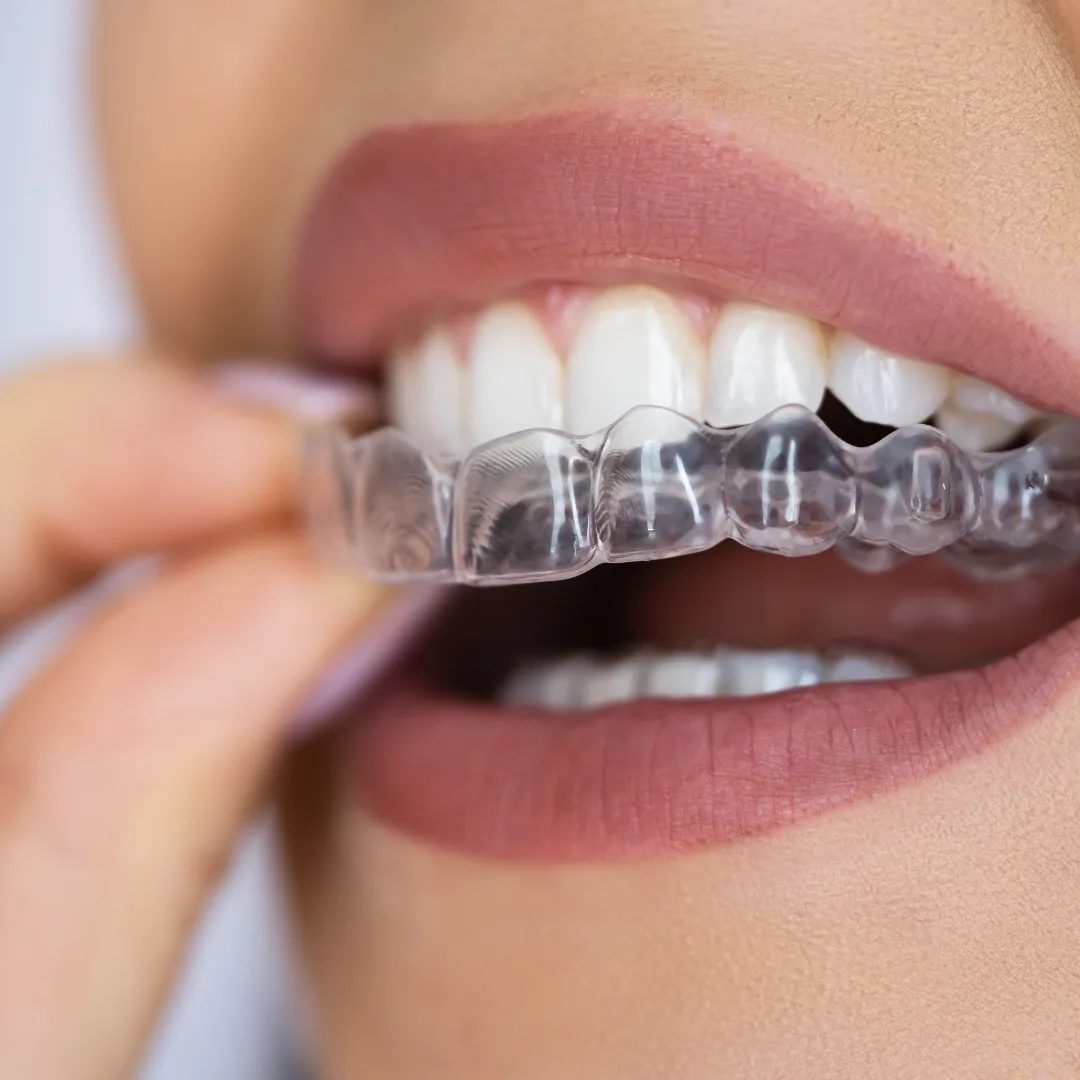
Clear aligners are custom-made plastic trays that fit over your teeth. Each tray is slightly different from the previous one, incrementally moving your teeth. You wear each tray for about two weeks, then switch to the next one. The entire process uses a series of trays created before treatment begins. A computer model of your teeth is made, and the final desired position is determined. The software creates intermediate steps. A new tray for each small movement. You wear aligners about 20 to 22 hours per day, removing them to eat and clean your teeth. You visit your dentist less frequently. Usually every six to eight weeks. For checkups and to pick up new trays.
Effectiveness Comparison
Traditional braces are more effective for severe misalignment. If you have a significant bite problem, severe crowding, or complex tooth rotations, braces are the better choice. Clear aligners work well for mild to moderate misalignment. Crowded teeth, gaps between teeth, minor bite problems. Aligners handle these effectively. Important note: not everyone is a candidate for aligners. Your dentist assesses your specific situation and whether aligners can achieve your goals.
Aesthetics and Confidence
This is where clear aligners shine. They’re nearly invisible. Most people can’t tell you’re wearing them. If appearance is important to you, aligners are significantly better than braces. For adults in professional settings where appearance matters, clear aligners allow straightening your teeth without affecting your appearance during treatment. Teenagers might feel differently. Many teens are comfortable with braces and less concerned about appearance. Parents should discuss preferences with their teenager.
Treatment Duration
Traditional braces typically take 18 to 24 months. Clear aligners usually take 12 to 18 months for moderate issues. For simple problems, aligners might work faster. Duration depends on how much movement is needed. Larger movements take longer.
Cost
Clear aligners and braces typically cost in similar ranges. Several thousand dollars depending on the complexity of treatment for most people. Some dental insurance covers orthodontics, reducing out-of-pocket cost for either option. Clear aligners might be slightly more expensive in some practices, but the difference is often marginal.
Daily Life and Comfort
Braces are fixed to your teeth. You can’t remove them. This means brushing and flossing requires special care and takes longer. Food gets stuck in braces. Braces can cause mouth irritation initially. Wires and brackets can cut your mouth. Over time, you adjust and irritation usually subsides. Clear aligners can be removed. You eat anything you want. No food restrictions. Brushing and flossing are normal. However, you must remember to wear the aligners. If you forget or intentionally leave them off, treatment progresses more slowly. Aligners are more comfortable initially. Most people adjust easily. There’s no metal irritating your mouth.
Effectiveness Over Time
Both braces and clear aligners have high success rates when patients comply with treatment. The difference is that with braces, there’s less room for non-compliance. You can’t remove them. With aligners, success depends on wearing them as prescribed. If you consistently wear them, results are excellent. If you frequently remove them or don’t wear them the full 20-22 hours daily, results suffer.
Maintenance and Follow-Up
With braces, you visit your orthodontist every month or so for adjustments. With aligners, you visit every 6-8 weeks. Fewer visits might be more convenient, but some people prefer regular adjustments to ensure progress. After orthodontic treatment. Whether braces or aligners. You’ll need retainers to maintain results. Retainers are essential. Without them, teeth gradually shift back toward their original position.
Which Should You Choose?
Consider these questions: How severe is your misalignment? If it’s complex, braces might be necessary. How important is appearance during treatment? If it matters significantly, aligners are better. How disciplined are you about following instructions? Aligners require compliance. If you’re not sure you’ll wear them consistently, braces might be better. Your budget and insurance coverage matter too. Your dentist can explain all options and recommend what’s best for your specific situation.
Getting Started
If you’re ready to straighten your teeth, the first step is a consultation with a dentist or orthodontist who offers both options. They’ll assess your teeth and discuss which approach is appropriate for your goals. At Thrive Dental in Elk Grove, we discuss clear aligners as an option for appropriate cases. For complex orthodontics, we refer to trusted specialists who can provide thorough treatment. Whether you choose clear aligners or traditional braces, straightening your teeth improves your smile and your oral health. Straight teeth are easier to clean, less prone to decay, and better for your bite and jaw health. Ready to explore straightening options? Schedule your appointment at Thrive Dental and let’s discuss which orthodontic approach is right for you.