Millions of people avoid dental care because of fear and anxiety. The irony is that avoiding the dentist leads to worse dental problems, which then cause more stress and pain. Breaking this cycle requires acknowledging your anxiety and finding strategies to manage it.
Understanding Dental Anxiety
Dental anxiety is common and valid. It might stem from past negative experiences, feeling helpless in the dental chair, fear of pain, or simply anxiety about having someone work inside your mouth. Some people have mild anxiety. They’re nervous but still go to appointments. Others have severe anxiety that prevents them from seeking care for years. Most fall somewhere in between. The first step is acknowledging that your anxiety is real and understandable. You’re not weak for being anxious. Many intelligent, capable people have dental anxiety. The goal isn’t to eliminate fear but to manage it so you can get necessary care.
Find a Dentist Experienced with Anxious Patients
This is arguably the most important step. A dentist who understands dental anxiety and has experience managing it makes an enormous difference. Ask potential dentists directly about their experience with anxious patients. Do they have specific strategies? Do they allow time for you to communicate? Do they explain procedures before starting?
A good dentist:
- Listens to your concerns without judgment
- Explains everything before doing it
- Gives you a hand signal to stop if you need a break
- Moves at your pace rather than rushing
- Takes extra time to build rapport and trust
Communication Is Key
Before your appointment, call and tell the practice about your anxiety. Explain what specifically concerns you. Fear of pain? Fear of the unknown? Sensory sensitivities?
During your appointment, communicate. Tell your dentist what makes you most anxious. Ask them to explain each step before doing it. Ask them to narrate what they’re doing. Develop a signal. Like raising your hand. That means you need a break. Knowing you can pause whenever you want gives you a sense of control that reduces anxiety.
Breathing and Relaxation Techniques
Before and during your appointment, use breathing techniques. Deep breathing activates your parasympathetic nervous system. The system responsible for relaxation. Try box breathing: breathe in for 4 counts, hold for 4 counts, exhale for 4 counts, hold for 4 counts. Repeat several times. This calms your nervous system. Progressive muscle relaxation helps too. Starting with your toes, tense each muscle group for 5 seconds, then relax. Work your way up through your body. This physical relaxation translates to mental relaxation.
Distraction Techniques
Many dental offices allow you to listen to music during your appointment. Music, especially calming music or your favorite songs, provides distraction from the sounds and sensations of dental work. Some offices allow you to wear headphones or provide sunglasses so you’re not staring directly at instruments and tools. Reducing visual input reduces anxiety for some people. Ask about these options at your practice.
Start Small
You don’t have to schedule a complex dental procedure as your first appointment. Ask your dentist for a consultation or simple cleaning first. A consultation lets you meet the dentist, see the office, and build comfort. A cleaning is often less anxiety-provoking than more complex work. As you gain positive experiences, your anxiety naturally decreases. The first visit is the hardest.
Bring Support
Ask if you can bring a trusted person with you. Some dental offices allow a family member or friend to sit in the operatory or nearby. Simply knowing someone you trust is close by reduces anxiety for many people.
Manage Your Thoughts
Your thoughts significantly influence your anxiety. If you’re thinking, “This is going to hurt” or “Something bad will happen,” your anxiety increases. Instead, practice thought-stopping and replacement. When anxious thoughts arise, acknowledge them without judgment: “I notice I’m thinking this will be painful. That’s my anxiety talking.” Then replace with reality: “I’ve survived dental appointments before. My dentist is trained and careful. I’ll be okay.”
This sounds simple, but it’s powerful. Our thoughts shape our emotions.
Regular Appointments Reduce Anxiety
One of the best ways to reduce dental anxiety is regular appointments. When you see your dentist twice yearly, you get familiar with the office, the staff, and the dentist. You build a relationship and trust. Skipping appointments increases anxiety because you haven’t been for a long time and might have significant problems that need treatment. Regular appointments mean smaller problems requiring simpler treatment, which is less anxiety-provoking.
Professional Mental Health Support
If your dental anxiety is severe enough that nothing helps, consider working with a therapist. Cognitive behavioral therapy and other approaches help people overcome specific fears. This might seem like overkill, but if anxiety prevents you from getting necessary dental care, it affects your overall health. Therapy is a reasonable investment.
After Your Appointment
Celebrate small victories. You went to your appointment even though you were anxious. That took courage. Acknowledge your bravery. Tell your dentist what strategies helped. This information helps them support you better in future appointments. As you have positive experiences, your anxiety naturally decreases. You might find that your fifth appointment is far less stressful than your first.
Consequences of Avoiding Care
Remember why you’re facing this anxiety. The consequences of avoiding dental care. Tooth loss, pain, infection, expensive emergency treatment. Are far worse than the temporary anxiety of a dental appointment. Untreated dental disease affects your eating, your appearance, your confidence, and your overall health. Facing dental anxiety to get care is the brave choice.
You’re Not Alone
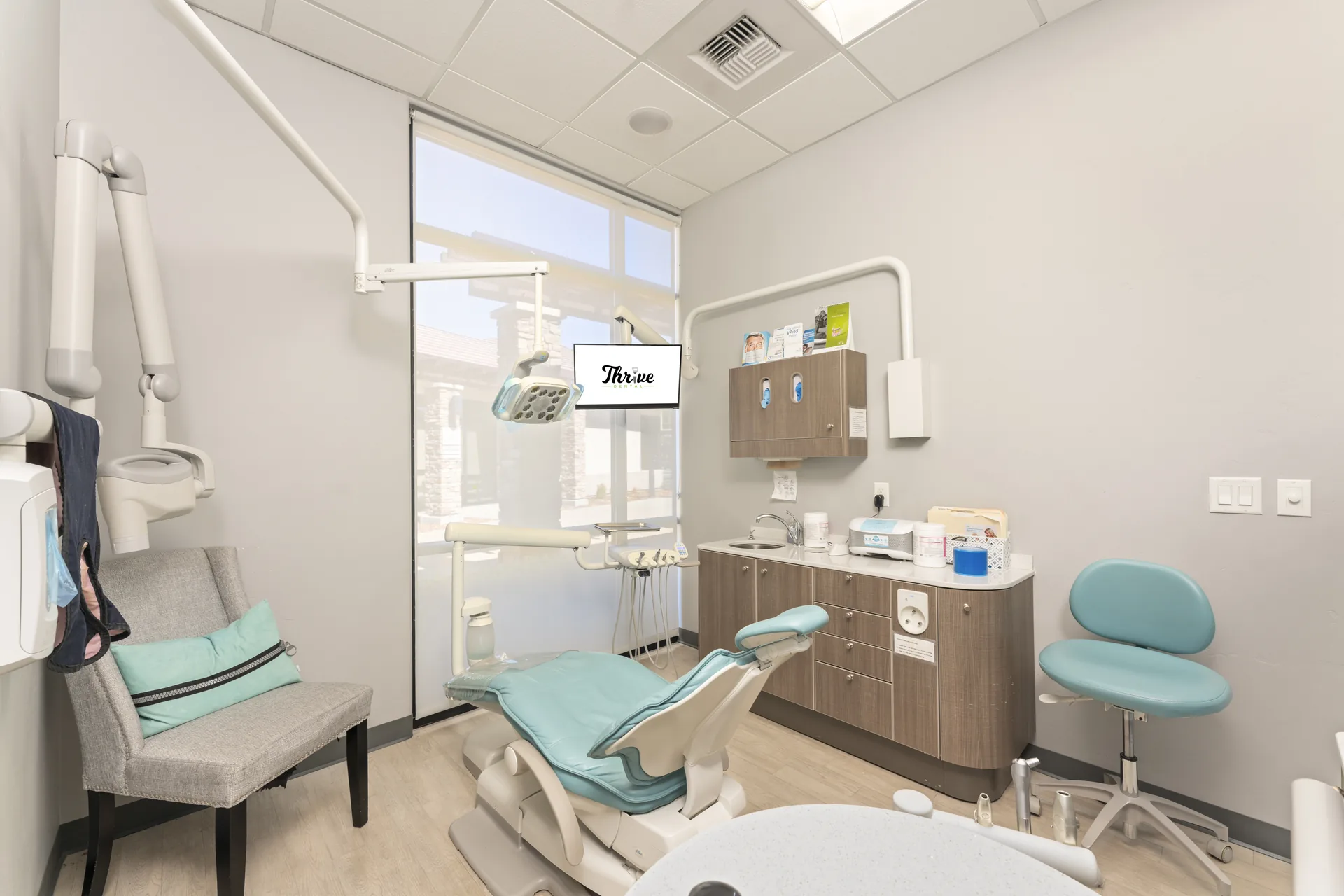
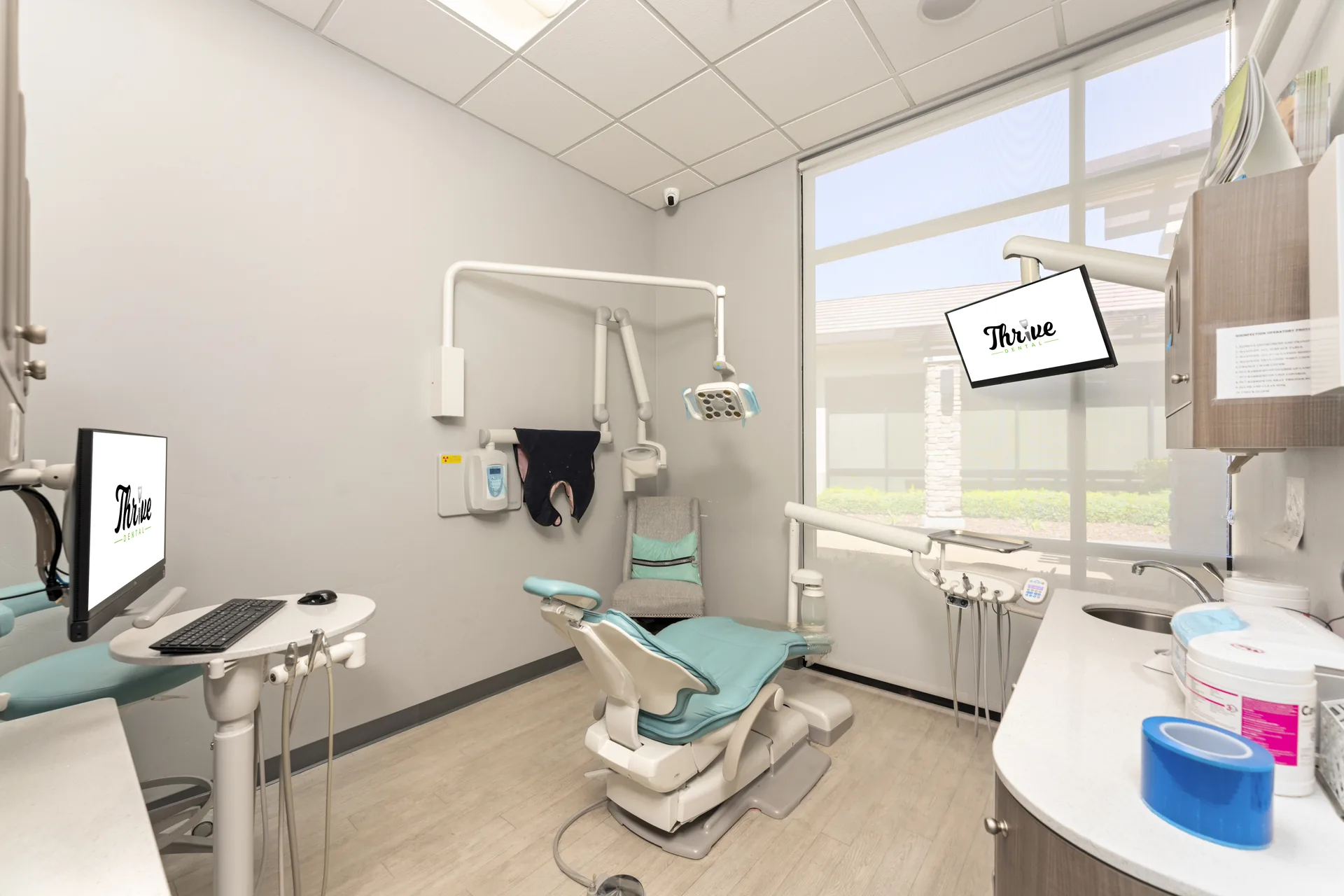
One final thought: you’re not alone. Many people experience dental anxiety. Many have overcome it. If they can do it, so can you. At Thrive Dental in Elk Grove, we work with anxious patients every day. We understand your fears. We know how to help you feel comfortable. If you’ve been avoiding the dentist due to anxiety, we’d love to help you break that cycle. Schedule an appointment and tell us about your concerns. We’ll work with you at your pace to get you the care you need. Your health is too important to let anxiety prevent you from getting it. For more information, see routine cleanings.