You’re missing a tooth and need to decide between a bridge and an implant. Both replace your missing tooth, but they work differently. Understanding the differences helps you make an informed choice.
How Bridges Work
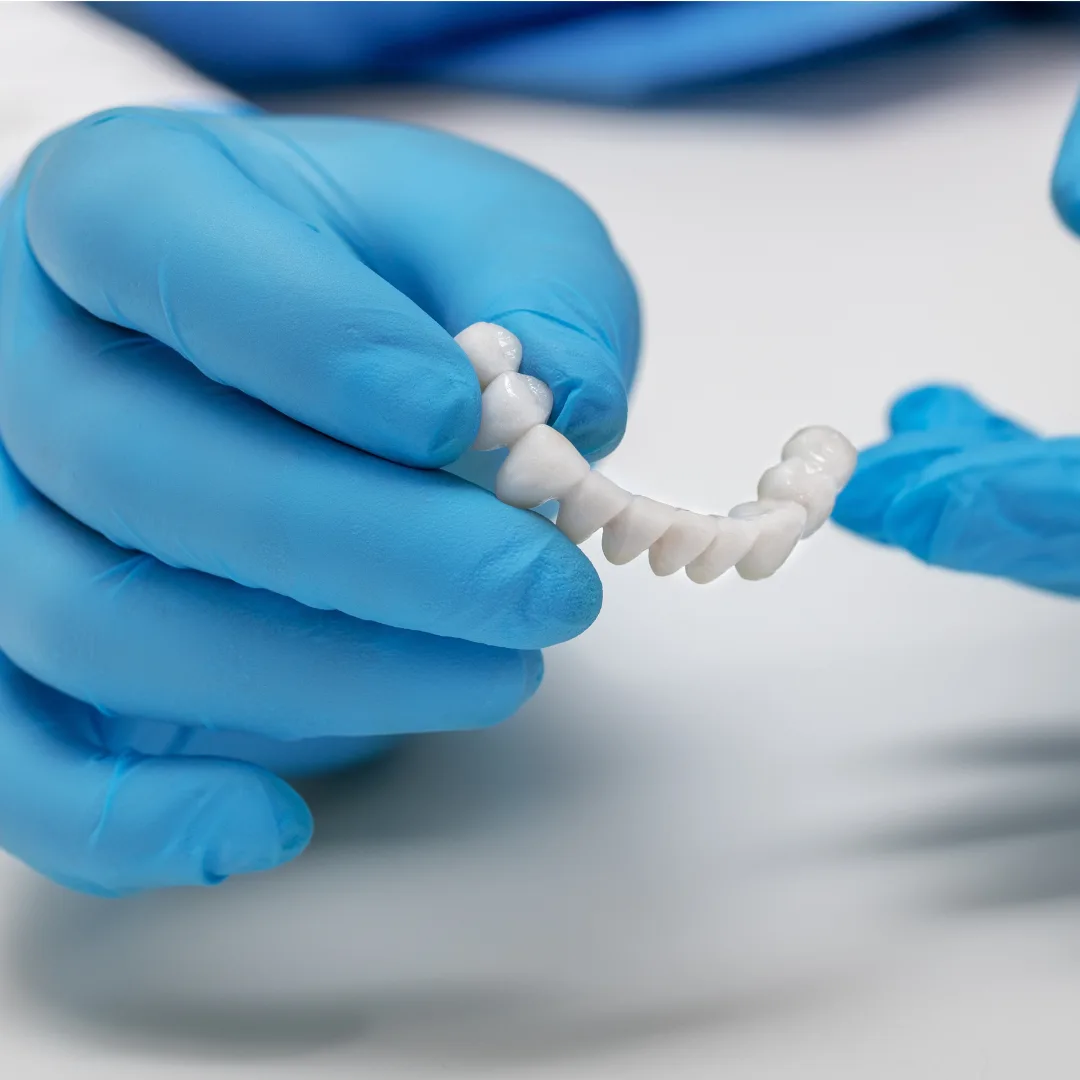
A dental bridge uses adjacent teeth to support a replacement tooth. Crowns are placed on the teeth on either side of the gap, and a false tooth is suspended between them. Your adjacent teeth are shaped down to accommodate crowns. The bridge is cemented permanently to these teeth.
How Implants Work
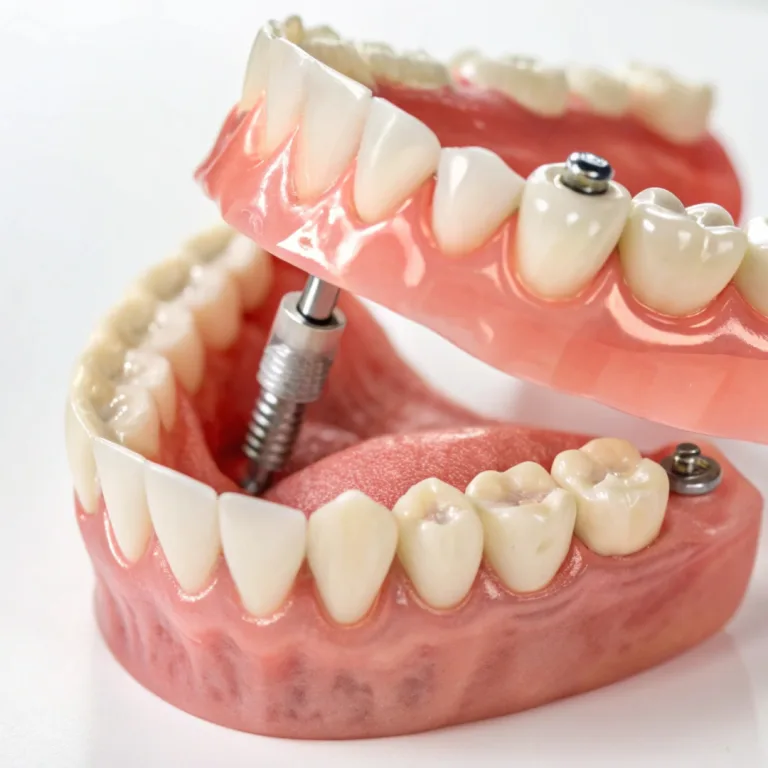
An implant is a titanium post surgically placed into your jawbone. Once integrated, a crown is attached to the implant. The implant replaces your tooth root and anchors the replacement tooth.
Key Differences
Bridges require damaging your adjacent healthy teeth. They must be shaped to accommodate crowns. Once shaped, they’re weakened. Implants don’t affect adjacent teeth. They stand independently. Bridges work faster. Two appointments over a few weeks. Implants take longer. Surgery, healing, integration, then crown placement over several months. Bridges cost less initially.$2,000 to $4,000. Implants cost more.$3,000 to $6,000. Bridges last 10-15 years. Implants last 20+ years. Bridges don’t prevent jawbone loss under the missing tooth. Implants stimulate bone, preventing loss.
The Cost of Damaging Adjacent Teeth
While bridges cost less initially, there’s a hidden cost. The adjacent teeth used to support the bridge are weakened. Over time, these teeth might decay or fail. If they do, the bridge fails too. You then need implants or another restoration. And the adjacent teeth might need crowns or root canals. In the long run, damaging healthy teeth to save short-term cost often costs more.
Functional Differences
Bridges are fixed. They don’t move. You eat normally and don’t think about them. Implants are also fixed and feel like natural teeth. Functionally, both work well. The difference is in long-term dental health.
Bone Loss Consideration
Without a tooth root, bone under a missing tooth resorbs. Bridges sit on resorbing bone. Over years, the bridge might not fit as well. Additional adjustments or replacement becomes necessary. Implants prevent bone loss by replacing the tooth root. This is a long-term consideration that significantly favors implants.
Aesthetic Considerations
Both bridges and implants look natural when well-made. Over time, as bone resorbs under a bridge, the appearance might change. A gap might appear between the gum and the bridge. Implants maintain appearance long-term because bone doesn’t resorb.
Maintenance
Bridges require meticulous cleaning. You must floss under the bridge to prevent decay in the supporting teeth. Implants require normal brushing and flossing. Both require regular checkups with your dentist.
When Bridges Make Sense
Bridges make sense if:
- You need fast treatment and can’t wait months for implants
- Cost is paramount and you can’t afford implants
- You don’t have enough bone for implants without grafting
- You prefer avoiding surgery
When Implants Make Sense
Implants make sense if:
- You want to preserve your adjacent healthy teeth
- You want the longest-lasting solution
- You want to prevent jawbone loss
- You’re willing to wait for the best outcome
Professional Recommendation
Most modern dentists recommend implants when they’re possible. Implants are the superior long-term solution. However, bridges are still valid in certain situations. Especially when bone quality is poor or cost is a significant barrier. Your dentist assesses your specific situation and recommends what’s best for you.
Real-World Scenario
James lost a molar and chose a bridge to save money and time. Cost: $2,500. Timeline: 3 weeks. Twenty years later, one of his supporting teeth failed. He needed a root canal, crown, and eventually an implant in the missing tooth location. Total cost for that sequence: $8,000. He wishes he’d done the implant initially. Long-term cost would have been less, and he wouldn’t have damaged his adjacent teeth.
The Bottom Line
Bridges work and solve your immediate problem. They’re faster and cheaper. Implants are superior long-term. They preserve your natural teeth and jaw structure. Both are valid options. The right choice depends on your situation, goals, and preferences. Discuss both options with your dentist. Make an informed decision based on understanding the long-term implications. At Thrive Dental in Yuba City, we discuss both bridges and implants with our patients. We explain the pros and cons specifically for your situation and help you make the best choice. Missing a tooth deserves a good solution. Schedule your appointment and let’s explore your options. Your long-term dental health is worth the consideration.