Most people think of dental checkups as optional. Something to do when you have a problem or when you finally get around to it. In reality, regular dental checkups are one of the most powerful preventive health tools available to you. They catch problems early, save you money, and protect your overall wellbeing.
What Happens During a Dental Checkup?
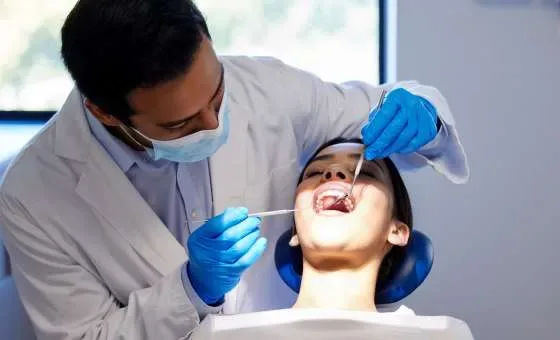
A thorough dental checkup isn’t just about cleaning your teeth. During your visit, your dentist examines every surface of your mouth, looking for signs of decay, gum disease, oral cancer, and other issues you might not notice yourself. Many problems start small and asymptomatic. You can’t see or feel them developing. Your dentist will use tools to measure the depth of your gum pockets, checking for early signs of gum disease. They’ll examine your bite and jaw alignment. They look at your tongue, the inside of your cheeks, and the back of your throat. They ask you questions about your health history, medications, and any discomfort you’ve experienced since your last visit. It’s a thorough assessment of your oral health. The cleaning portion removes buildup your toothbrush can’t reach. Even if you brush and floss diligently, plaque hardens into tartar over time. Only a dental professional can remove it. This cleaning is about prevention, not just aesthetics.
Early Detection Saves Time and Money
This is where dental checkups truly shine. A cavity caught in its earliest stages requires a simple, small filling. The same cavity ignored for two years might need a root canal and a crown. The difference in cost is substantial. And so is the difference in your comfort. Gum disease is even more dramatic. Early gum disease has no symptoms. You might notice bleeding when you floss, or you might notice nothing at all. By the time you feel pain or see obvious problems, the disease has often progressed significantly. Regular checkups catch gum disease when it’s most treatable. Oral cancer screenings happen during your checkup. Oral cancer caught early has excellent survival rates. Caught late, outcomes are far grimmer. Your dentist is trained to spot early warning signs you’d never notice yourself.
The Connection Between Oral and Overall Health
Your mouth isn’t separate from the rest of your body. Research consistently links untreated gum disease to heart disease, diabetes complications, respiratory infections, and pregnancy complications. Your dentist isn’t just protecting your teeth. They’re protecting your whole body. During a dental checkup, your dentist can spot signs of systemic conditions like diabetes or autoimmune disease that first appear in your mouth. They can coordinate with your physician to ensure you’re getting the care you need. A regular checkup is preventive medicine for your entire body.
How Often Should You Go?
Most people need dental checkups every six months. This frequency removes plaque buildup before it becomes harmful, catches decay early, and allows your dentist to monitor any existing issues. Some people need more frequent checkups. If you have a history of gum disease, are prone to decay, have diabetes, or are immunocompromised, your dentist might recommend visits every three to four months. Others. Those with excellent oral hygiene and no risk factors. Might stretch it to once yearly, though six months is still recommended. The key is establishing a schedule with your dentist and sticking to it. Sporadic checkups are far less effective than consistent, regular visits.
Making Checkups Part of Your Routine
Many people skip regular checkups because they’re busy or because they don’t think it’s necessary. You can change that mindset by scheduling ahead. Book your next appointment before you leave your current one. Set a calendar reminder. Make it as routine as brushing your teeth. If cost is a barrier, many dental practices offer payment plans or have relationships with financing options. Don’t let concern about money prevent you from protecting your health. Ask about what’s available. If dental anxiety keeps you away, tell your dentist. Modern practices use techniques and sometimes medications to help anxious patients feel comfortable. Your fear is valid, and dentists know how to work with it.
Prevention is Always Better Than Treatment
Here’s the simple truth: preventing a problem is always easier, cheaper, and more comfortable than treating one. Regular dental checkups are prevention in action. They catch problems early, when they’re simplest to address. They identify risk factors before they become crises. Your teeth are meant to last your whole life. With proper care. Including regular checkups. They can. Without it, tooth loss, pain, and expensive reconstruction become likely. The choice is yours. If it’s been longer than six months since your last checkup, it’s time to schedule your appointment at Thrive Dental in Dixon. We’ll give you a thorough examination, professional cleaning, and honest conversation about your oral health. Your smile depends on it.