If your dentist has mentioned a crown, you might have questions. What exactly is a crown? Why do you need one? How is it made and placed? Understanding this common procedure helps you approach it with confidence.
What Is a Dental Crown?
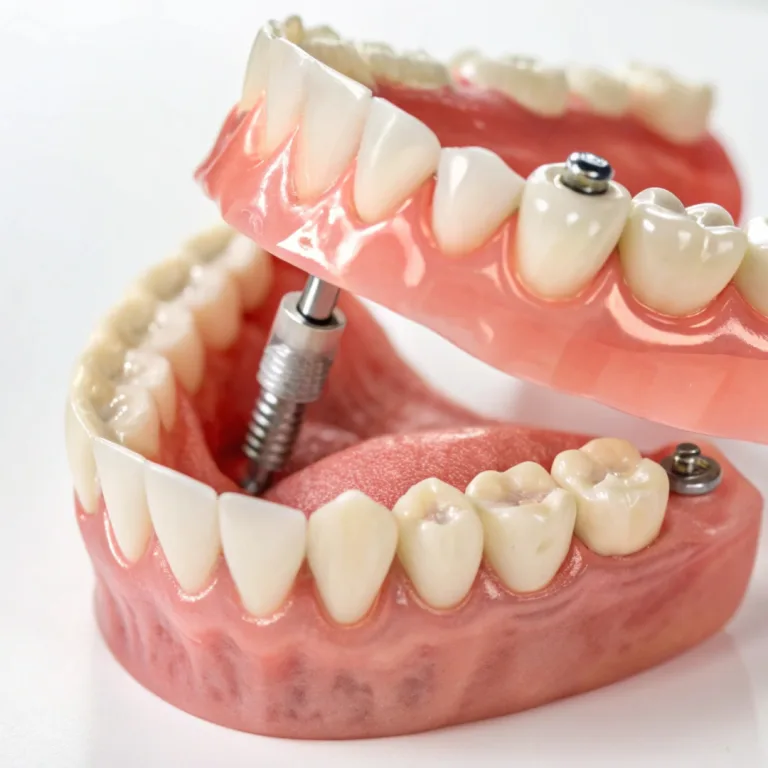
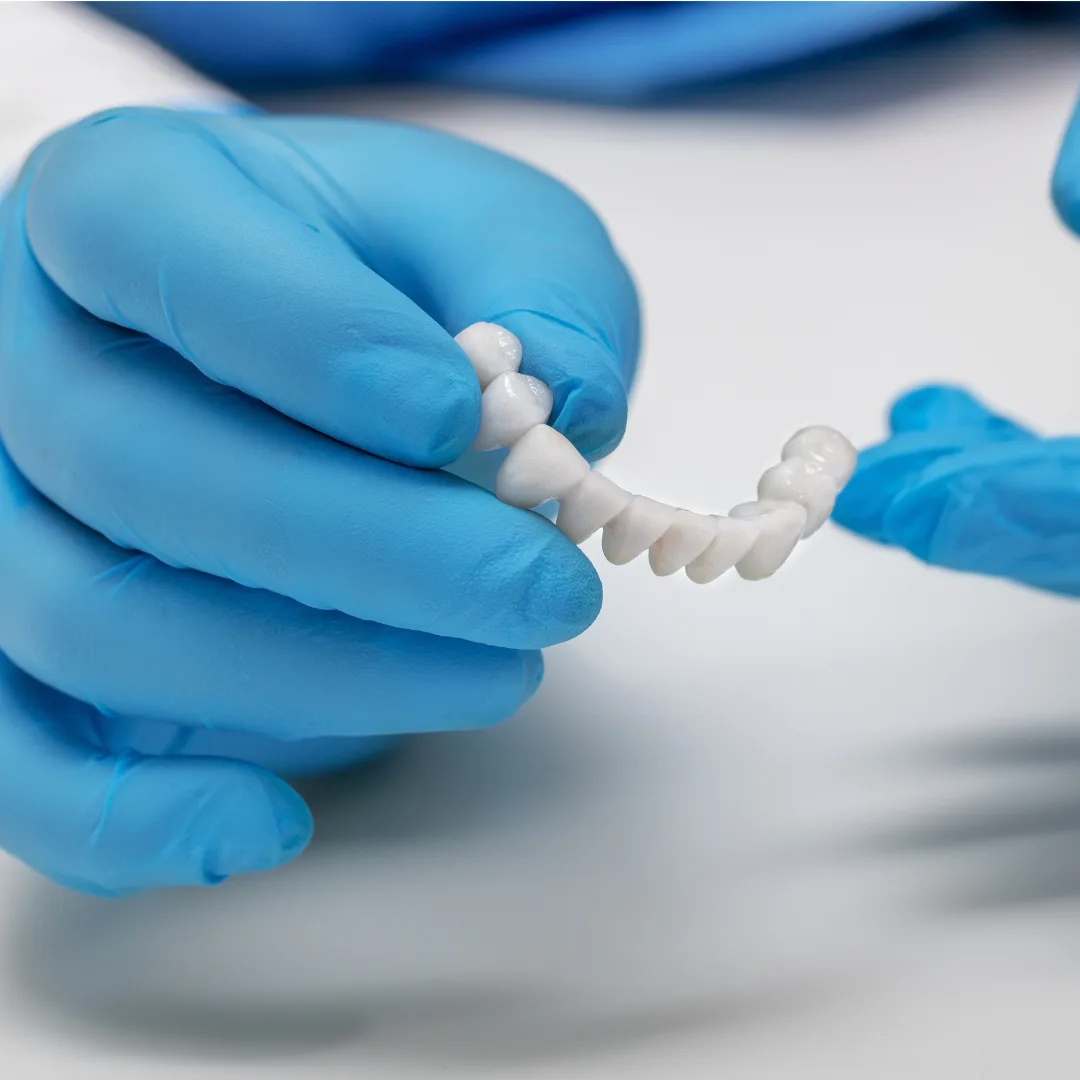
A dental crown is a cap that covers a damaged tooth. It restores the tooth’s size, shape, strength, and appearance. Crowns are custom-made to match your natural teeth. Crowns can be made from various materials. Porcelain, ceramic, gold, or combinations. Your dentist recommends the best material for your situation.
When Do You Need a Crown?
You need a crown when a tooth is too damaged to restore with a filling. After root canal treatment, a crown protects the treated tooth. Treated teeth become brittle and need coverage. A crown protects a tooth with a large filling. Once you’ve had significant decay or filling, the tooth is weaker and at risk. A crown reinforces it. Crowns cover discolored or misshapen teeth cosmetically. If your teeth whitening alone doesn’t achieve your goals, a crown might cover stubborn staining. A crown restores a broken or severely chipped tooth. If a large portion is missing, a crown rebuilds the tooth.
The Crown Process
Getting a crown typically requires two appointments. At your first appointment, your dentist examines the tooth and takes X-rays. Your dentist removes decay (if present) or reshapes the tooth to accommodate the crown. If significant tooth is missing, they might build it up with filling material first. An impression is taken. Either traditional putty or digital scanning. This impression is sent to a lab where your custom crown is fabricated. A temporary crown is placed to protect your tooth until the permanent crown is ready. You return after one to two weeks for the permanent crown. Your dentist removes the temporary, checks fit and bite with the permanent crown, and cements it into place. The entire process takes two to three weeks.
Materials
Porcelain is popular for visible teeth because it looks most natural. It’s durable and resists staining. Ceramic is similar to porcelain and also very aesthetic. Gold is extremely durable and lasts longest. It’s rarely chosen for visible teeth because of appearance, but it’s ideal for back teeth where strength matters most. Combinations like porcelain-fused-to-metal offer strength with reasonable aesthetics. Your dentist recommends materials based on the tooth’s location and your preferences.
How Long Do Crowns Last?
A well-made crown lasts 15-30 years. Some last longer. Longevity depends on the material, your bite, and how well you care for it. Porcelain and ceramic crowns typically last 15-20 years. Gold crowns last 20-30+ years. Metal-fused crowns last 10-20 years. Eventually, crowns need replacement. If your bite changes, a crown might not fit perfectly and need adjustment or replacement.
Caring for Your Crown
A crowned tooth requires the same care as natural teeth. Brush and floss daily. The junction between crown and tooth is vulnerable to decay if not properly cleaned. Avoid very hard foods that might crack the crown. Don’t use your teeth to open packages. See your dentist regularly for checkups. Your dentist monitors the crown and underlying tooth.
Cost
A crown typically costs $1,000 to $3,000 depending on material and location. Dental insurance might cover part of the cost. This cost is offset by the longevity. A crown lasting 20 years spread over that time is not expensive.
Potential Issues
Sometimes a crowned tooth develops sensitivity. This usually resolves. If it persists, tell your dentist. Sometimes a crown feels too high in your bite. Your dentist adjusts this easily at your appointment. Rarely, decay develops under a crown. This happens if the seal between crown and tooth breaks down. The crown is removed, decay treated, and a new crown placed.
Before and After
Getting a crown transforms a damaged tooth. Before, the tooth might be cracked, discolored, or broken. After, it’s a beautiful, strong, functional tooth.
Real-World Example
David had a large filling in a back molar for many years. The tooth was weakening, and his dentist recommended a crown to protect it. The crown was placed in two appointments. Cost: $1,500. David’s molar is now stronger than it’s been in years. He’s chewing normally without concern.
Crown vs Other Options
A filling is less expensive than a crown but less durable for large restorations. An implant replaces a missing tooth but can’t be placed if your tooth is damaged but still present. A veneer covers only the visible surface and doesn’t address underlying damage. For most damaged teeth, a crown is the best option.
Getting Your Crown
If your dentist has recommended a crown, the next step is scheduling the procedure. Ask questions about materials, cost, and timeline. At Thrive Dental in Yuba City, we create beautiful, durable crowns that look and function like natural teeth. We discuss your options and recommend what’s best for your situation. If you have a damaged tooth, don’t accept ongoing problems. A crown restores it permanently. Schedule your appointment and let’s discuss whether a crown is right for you.