When you have a cavity, your dentist fills it. Removes the decay and fills the space with restorative material. But what material should you choose? Options include composite resin, amalgam, and ceramic. Each has advantages and disadvantages.
Composite Resin Fillings
Composite is tooth-colored plastic resin. It bonds directly to your tooth. Advantages: It matches your tooth color exactly. It looks natural. It’s durable. Typically lasting 5-10 years. It requires less tooth removal than some alternatives. Disadvantages: It’s more expensive than amalgam. It can stain over time. It doesn’t last quite as long as amalgam.
Amalgam Fillings
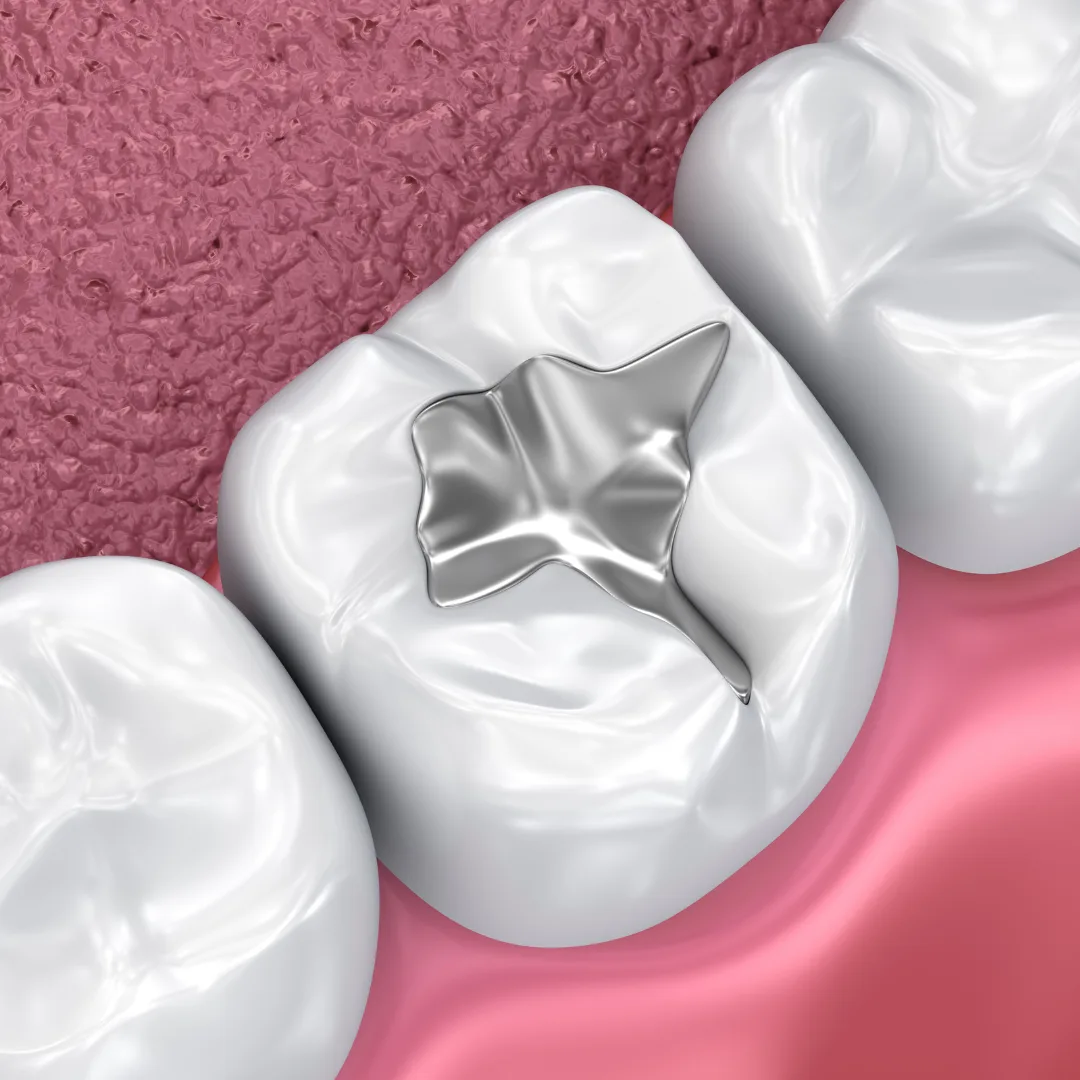
Amalgam is a mixture of mercury and other metals. It’s silver in appearance. Advantages: It’s very durable. Often lasting 10-20+ years. It’s less expensive than composite. It’s quick to place. Disadvantages: It’s visible (not tooth-colored). Some people object to mercury content (though studies show it’s safe). It requires slightly more tooth removal than composite.
Ceramic Fillings
Ceramic (often porcelain) inlays or onlays are custom-made restorations placed in or on your tooth. Advantages: They’re very durable. They’re tooth-colored and look excellent. They’re resistant to staining. Disadvantages: They’re expensive. Typically more than composite or amalgam. They require multiple appointments (impressions, lab fabrication, placement).
Comparing Durability
Amalgam lasts longest. Often 15-20+ years. Ceramic lasts nearly as long. Composite lasts 5-10 years typically. If you want a filling that lasts many years, amalgam or ceramic are better choices.
Comparing Appearance
Composite and ceramic match tooth color. Amalgam is noticeably silver. If appearance is important, composite or ceramic are better choices.
Comparing Cost
Amalgam is least expensive. Typically $100-$200 per surface. Composite costs more. Typically $150-$300 per surface. Ceramic inlays/onlays are most expensive. Typically $250-$500+ per restoration.
Comparing Tooth Preservation
Composite requires minimal tooth removal. Amalgam requires slightly more. Ceramic inlays might require more removal depending on the size. If preserving tooth structure is a priority, composite is best.
Which to Choose?
For a small cavity in a visible area, composite is ideal. Cost is moderate, appearance is excellent, and tooth preservation is good. For a larger cavity, amalgam might be better due to durability and cost. For a very large cavity or if you want maximum longevity and appearance, ceramic inlay/onlay might be best despite higher cost. For back teeth where appearance doesn’t matter, amalgam is cost-effective and durable. Your dentist recommends based on cavity size, location, and your preferences.
Safety of Amalgam
Some people worry about mercury in amalgam. Scientific evidence overwhelmingly shows amalgam is safe. The mercury is bound and doesn’t leach into your body in harmful amounts. Major health organizations including the FDA and ADA consider amalgam safe. However, if you’re uncomfortable with amalgam for personal reasons, composite or ceramic are alternatives.
Lifespan and Replacement
No filling lasts forever. Eventually, fillings wear, decay develops around them, or they need replacement. When replacing an old filling, ask your dentist what material they recommend. Your dentist can explain the best option for that situation.
Real-World Scenario
Maria had a cavity on a visible upper tooth. She chose composite for its appearance and tooth-preserving properties. Cost: $200. Durability: estimated 5-8 years. James had a cavity on a back molar. Appearance didn’t matter to him. He chose amalgam for durability and cost. Cost: $120. Durability: estimated 15+ years. Both made choices appropriate for their situations.
Getting Started
When you have a cavity, discuss filling options with your dentist. They recommend based on cavity size, location, your preferences, and your budget. Make an informed choice based on understanding each option. At Thrive Dental in Stockton, we discuss filling options with all patients. We recommend based on your situation and help you choose the best material for your needs. If you have a cavity or suspect you do, schedule an appointment. We’ll assess the situation and discuss your options. For more information, see professional cleanings.