When you face tooth loss, you’re presented with options. Implants and dentures are the two main choices. Both replace missing teeth, but they work very differently and offer different benefits and drawbacks.
How Implants Work
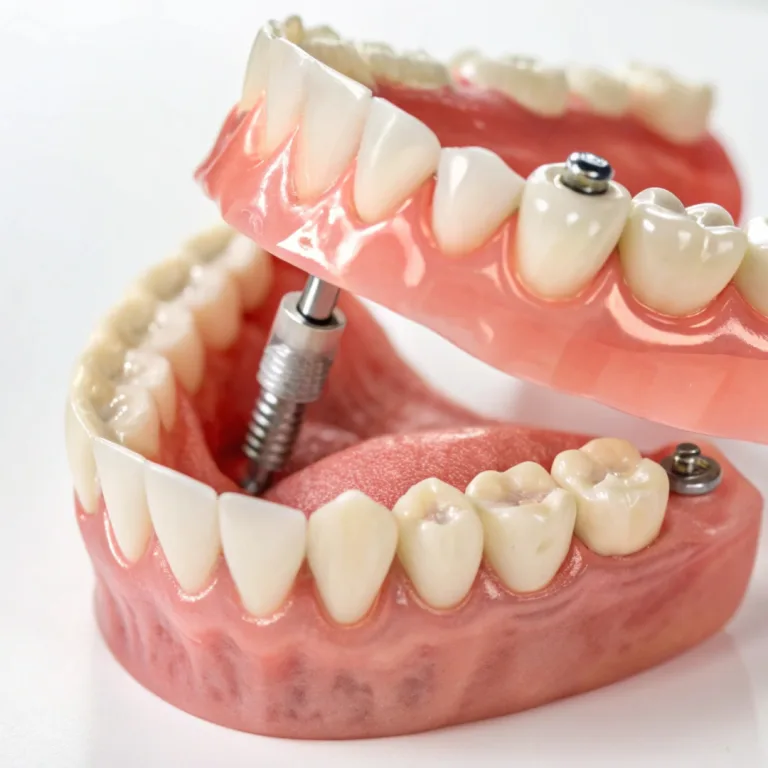
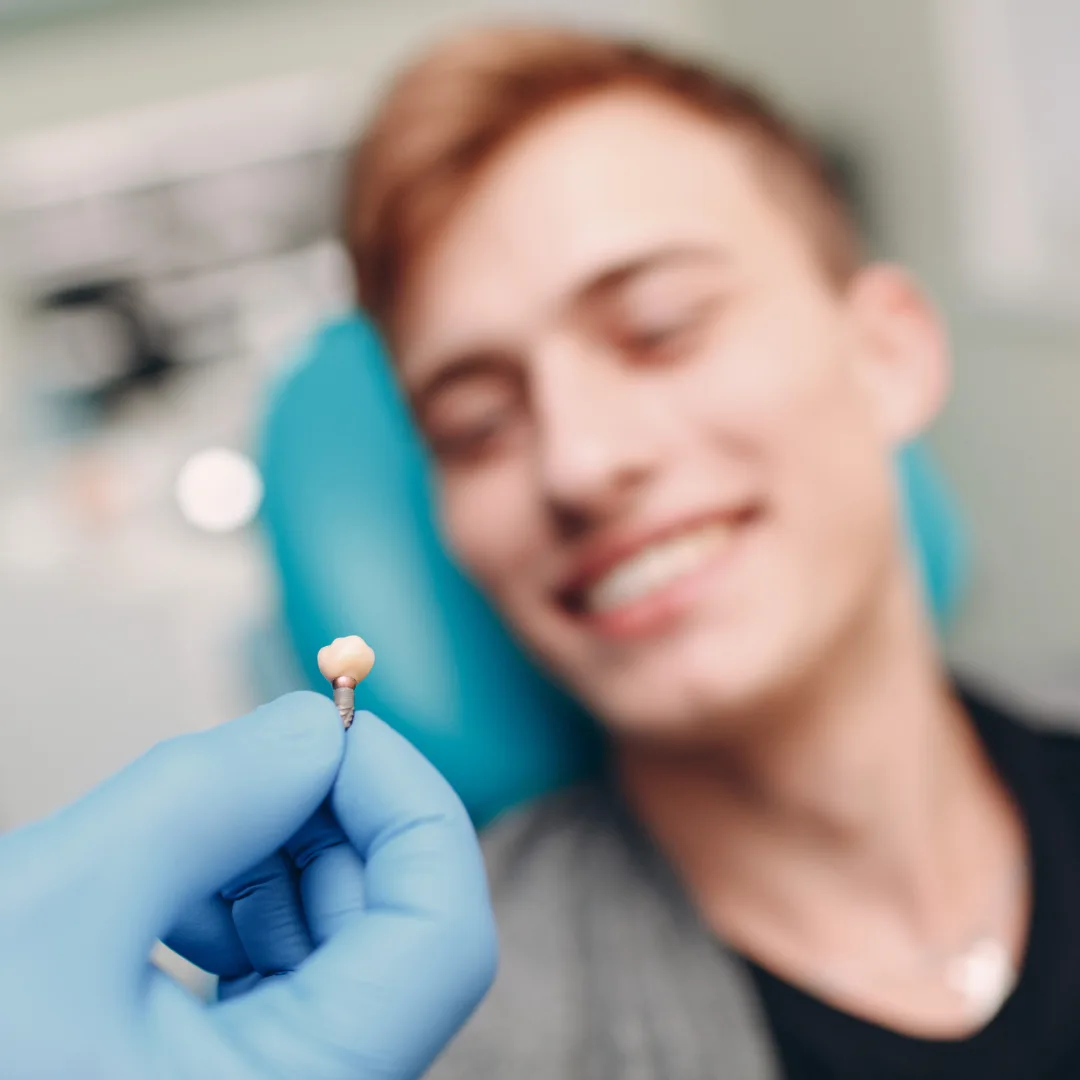
Dental implants are surgically placed titanium posts that anchor replacement teeth. They integrate with your jawbone, becoming part of your structure. Each implant requires bone for support. If multiple teeth are missing, you need multiple implants (though sometimes fewer implants can support multiple teeth using specialized techniques). Implants are permanent. They don’t come out.
How Dentures Work
Dentures are removable prosthetics that rest on your remaining bone and gums. They’re held in place by suction or clasps. A full denture replaces all teeth on an arch (upper or lower). A partial denture replaces several missing teeth and clasps to remaining teeth. Dentures come out daily for cleaning.
Cost Comparison
Implants cost more upfront.$3,000 to $6,000 per tooth. A full upper denture costs $1,500 to $3,000. However, implants last 20+ years with minimal care. Dentures last 5-10 years and then need repair, adjustment, or replacement. Over 20 years, total implant cost is often competitive with or less than total denture cost.
Functionality
Implants feel and function like natural teeth. You chew normally. You speak without affecting pronunciation. You eat any food you want. Dentures require adaptation. Some people adjust well; others struggle. Dentures are less stable during eating and speaking. You can’t chew as powerfully. Some foods are difficult to eat. For people who care a lot about eating quality and ability, implants are superior.
Maintenance
Implants require normal oral hygiene. Brushing, flossing, regular checkups. No special care. Dentures require daily removal, cleaning, and storage. You need special cleaning solutions. Dentures can stain or accumulate odor if not cleaned properly. For people who want low-maintenance, implants are better.
Bone Preservation
Implants prevent jawbone loss. They stimulate bone like natural teeth, preserving structure and facial appearance. Without implants or natural teeth, jawbone resorbs. Over time, your face may change shape. Your chin seems to collapse, you appear older. Dentures sit on resorbing bone and may fit increasingly poorly over years. This is a significant long-term consideration.
Aesthetics
Implants look completely natural. Nobody can tell the difference from a natural tooth. Dentures look good initially, but as bone resorbs, denture fit becomes loose. A loose denture moves when you eat or speak. This is obviously noticeable. Some people perceive dentures as “dentures”. They look artificial. Modern dentures are far better, but perception remains.
Psychological Impact
Implants feel like your own teeth. Many people forget they have implants. They’re that natural. Dentures feel foreign initially. Some people adapt and feel natural in them. Others feel self-conscious about wearing them. For people concerned about appearance and self-confidence, implants offer significant psychological benefit.
Eating and Speech
With implants, you eat normally. Hard foods, chewy foods, all are fine. With dentures, you adapt your diet. Hard and sticky foods are difficult. Some people avoid them. Speech can be affected by dentures. Some denture wearers develop a slight lisp or require practice to speak naturally.
Comfort
Implants are comfortable once healing is complete. They feel like your own teeth. Dentures can cause sore spots where they contact gums. Finding perfect fit takes time and adjustments. Even well-fitting dentures can feel bulky.
Suitability
Implants require sufficient bone. If bone loss is advanced, implants might not be possible without bone grafting. Implants require good oral hygiene. If you can’t or won’t maintain good hygiene, implants fail. Dentures work for most people regardless of bone quality.
Decision Factors
Consider your priorities. For most patients prioritizing function and comfort, implants tend to provide better outcomes. If cost is the primary concern, dentures are initially less expensive (though long-term costs might be similar). If you have advanced bone loss, dentures might be your only option without bone grafting. If you want the most natural feeling and functioning replacement, implants are the clear choice.
Combined Approaches
Sometimes patients choose both. They might get implants on upper teeth and a denture on lower teeth. They might get some implants and use dentures to fill gaps where bone doesn’t support implants. Your dentist can discuss combination approaches.
Age Considerations
Younger people often benefit from implants since they’ll wear them longer. Older people sometimes choose dentures, but age alone doesn’t determine the best choice.
Getting Professional Guidance
The best choice depends on your specific situation. Your bone quality, health, budget, priorities, and ability to maintain the restoration. Your dentist evaluates all these factors and recommends what’s best for you. At Thrive Dental in Yuba City, we offer both implants and dentures. We help patients understand each option and choose what’s right for them. If you’re facing tooth loss, don’t accept that as permanent limitation. Options exist. Schedule an appointment and let’s discuss which approach fits your needs and goals. Your quality of life is too important to settle for less than optimal tooth replacement.