When your dentist mentions dental sealants, you might think of a pediatric treatment. While sealants absolutely help kids avoid cavities, they’re equally valuable for adults. If you’re looking for a simple, effective way to prevent decay on your back teeth, sealants deserve serious consideration.
What Are Dental Sealants?
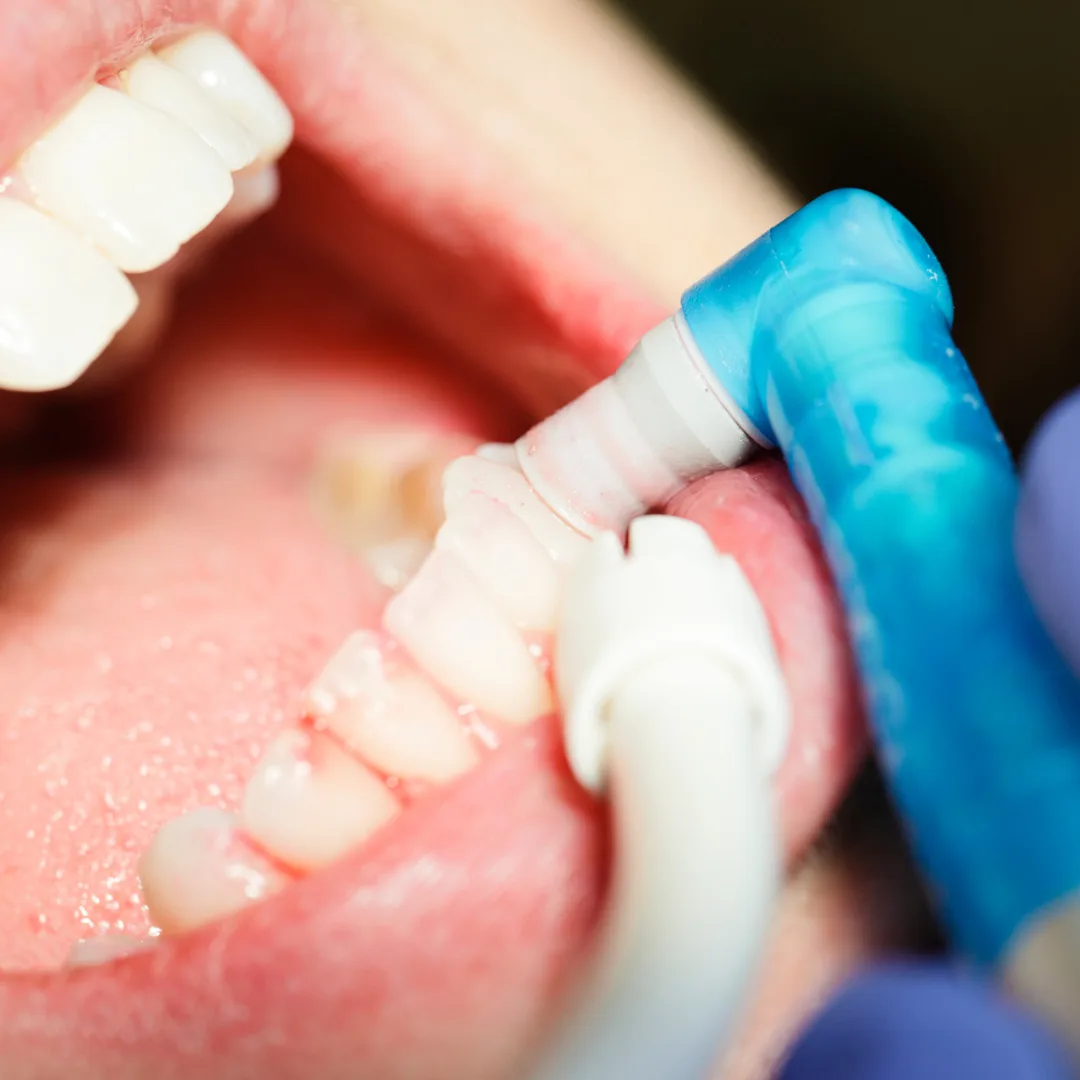
Dental sealants are thin, protective coatings applied to the chewing surfaces of back teeth. They’re usually made of plastic or composite resin. The process is quick and comfortable for most patients. Your dentist cleans the tooth, applies an acidic gel to help the sealant bond, rinses it away, and paints on the sealant. A special light hardens it. The whole process takes seconds per tooth. Once applied, sealants act as a physical barrier. They fill the deep grooves and pits on back teeth where food particles and bacteria hide. Toothbrush bristles can’t reach into these crevices effectively, especially if you have deep grooves. Sealants bridge that gap, preventing decay from starting.
Why Back Teeth Are Vulnerable
Your molars and premolars do most of the chewing. They have complex surfaces with ridges, grooves, and pits. These anatomical features make them highly effective for breaking down food, but they’re also cavities’ favorite hiding spots. Cavities on chewing surfaces make up the majority of cavities in children and a significant portion in adults. Yet these cavities are largely preventable with sealants. It seems almost counterintuitive. Such a simple solution solves such a common problem. The issue is that even rigorous brushing doesn’t always reach into deep grooves. Your toothbrush bristles are too thick. Food particles and bacteria settle into these spaces. Over time, bacteria produce acid that decays the tooth. By the time you notice a cavity on a back tooth, the damage is often substantial.
Sealants Work for Kids
Children benefit tremendously from sealants. Kids are still developing good brushing techniques. Their motor skills improve gradually, and they’re learning proper oral hygiene. Sealants protect teeth while these skills develop. The American Academy of Pediatric Dentistry recommends sealants on back teeth as soon as they fully erupt. For most children, that’s around age six for first molars and age twelve for second molars. Some children get sealants on baby molars too if they have deep grooves and high cavity risk. Research suggests sealants significantly reduce the risk of cavities on back teeth in children. That’s a dramatic reduction. A simple, preventive procedure that takes minutes could prevent years of cavities and dental procedures.
Adults Can Benefit Too
Here’s what many adults don’t realize: you’re never too old for sealants. If you have back teeth without sealants and they have deep grooves, you’re vulnerable to cavities. Your brushing technique is probably better than when you were a child, but the fundamental issue remains. Your toothbrush can’t reach into those crevices. Some adults have gone their whole lives without cavities on back teeth despite those vulnerable surfaces. Others have had repeated cavities in the same spots despite careful brushing. This variability often comes down to genetics. How deep and complex your tooth grooves are. If you keep getting cavities on your molars, sealants could save you from a cycle of decay, filling, and refilling. Once a tooth is filled, it’s weaker than an intact tooth. Repeated fillings compound the problem. Prevention is far better. Sealants are also valuable for adults with compromised brushing ability. If you have arthritis, mobility issues, or other conditions making thorough brushing difficult, sealants provide additional protection.
How Long Do Sealants Last?
Sealants typically last several years. Some last five to ten years with normal wear. They can wear away gradually as you chew. Your dentist checks sealants during regular checkups and can reapply them if needed. This durability makes sealants cost-effective. The relatively small investment in sealant application. Usually much less than a filling. Protects you from cavities that would require far more expensive treatment.
Are Sealants Safe?
Yes, sealants are safe for both children and adults. They contain trace amounts of BPA, a chemical that had some concerns among parents. The amount in sealants is negligible and not bioavailable. Thousands of studies support sealant safety. Major dental and health organizations recommend them. The only minor consideration: very rarely, someone has a sensitivity to sealant materials. This is uncommon, and your dentist can discuss alternatives if you have specific concerns.
Sealants Aren’t a Substitute for Home Care
sealants protect the chewing surfaces of back teeth, but not other surfaces. Cavities can still develop on the sides of teeth, between teeth, or on front teeth. You still need to brush twice daily, floss daily, and maintain regular dental checkups. Sealants work best as part of a complete prevention strategy. They’re one tool among several. Brushing, flossing, fluoride treatments, and professional cleanings all play important roles.
Consider Sealants for Your Family
If you have children, sealants are a simple, effective way to protect their teeth during the cavity-prone years. If you’re an adult with deep grooves on back teeth, consider whether sealants might prevent future cavities. At Thrive Dental in Dixon, we assess each patient individually. We look at groove depth, cavity history, and risk factors to determine whether sealants make sense for you or your child. If they do, the application is quick and comfortable and well-tolerated. Your back teeth do important work. Protect them with sealants. Schedule your appointment and let’s discuss whether sealants fit your prevention plan.