If you haven’t worn dentures in many years. Or if someone you knew had a bad experience. You might have outdated impressions. Modern dentures are dramatically different from the bulky, ill-fitting ones of the past.
Advances in Denture Design
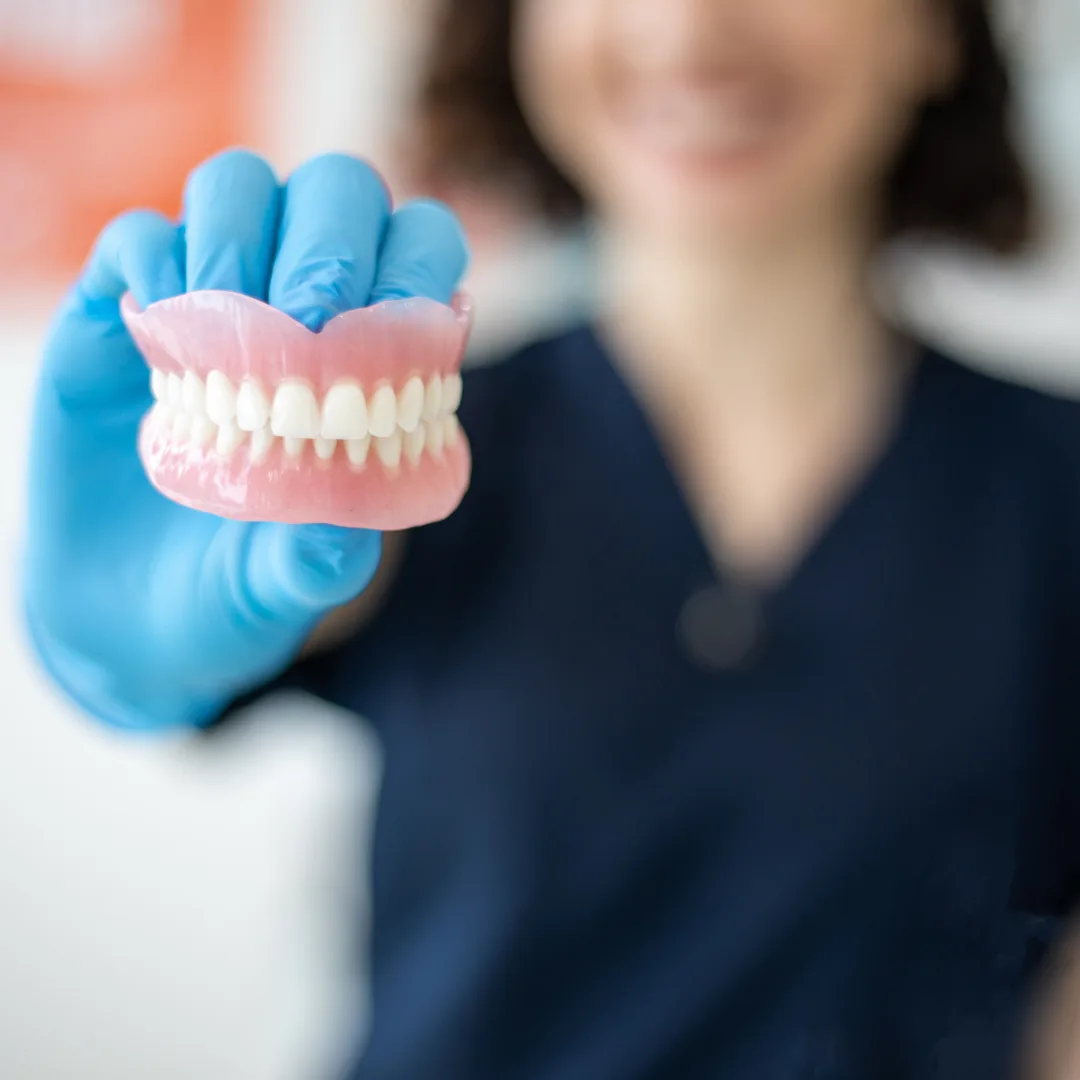
Modern dentures use precision digital design. Computer-aided design optimizes fit, stability, and aesthetics. Materials have improved. Modern denture teeth look more natural. Gum-colored base materials are better matched to your actual gum tone. Fitting techniques are more precise. Digital scanning and 3D printing create dentures with better fit than traditional methods.
Types of Modern Dentures
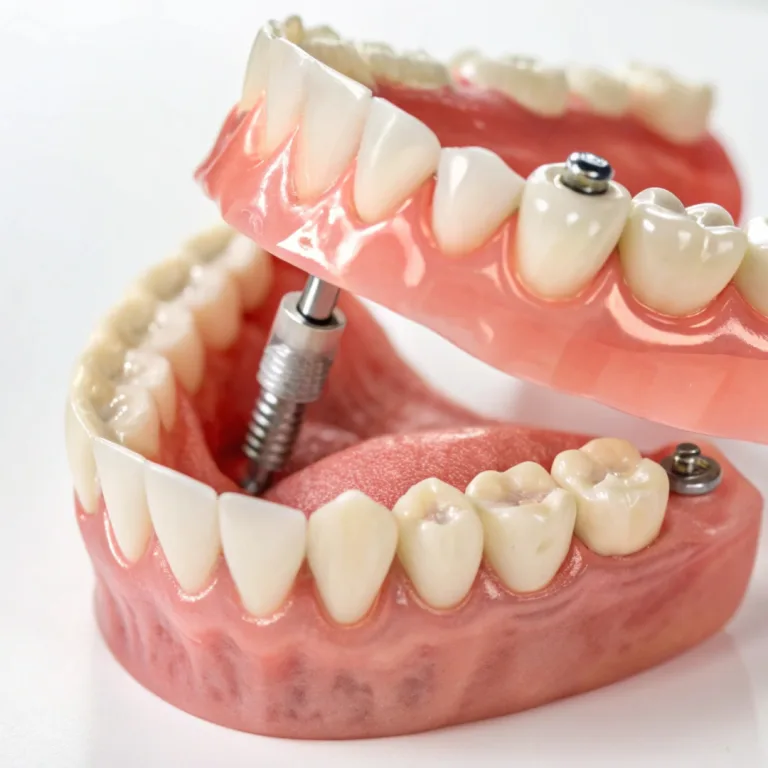
Complete dentures replace all teeth on an arch. Full dentures mean upper and lower replacements. Partial dentures replace some teeth and clasp to remaining teeth. Implant-supported dentures are attached to implants surgically placed in your jaw. This is a modern option that provides stability between full dentures and individual implants.
Implant-Supported Dentures
This option is revolutionary for people missing full arches. Instead of a removable denture sitting on your gums, it’s attached to implants placed in your jaw. Two to four implants support the denture, making it nearly as stable as individual implants but costing significantly less. You remove the denture for cleaning. It snaps on and off the implants. But once in place, it feels much more stable than a traditional denture. This option is ideal for people who can’t afford full implant restoration but want more stability than a conventional denture.
Advantages of Modern Dentures
Modern dentures look natural. The teeth and gums appear realistic. They work faster than implants. You don’t need surgery or healing time. They’re more affordable than multiple implants. Implant-supported versions offer dramatically improved stability over traditional dentures.
Disadvantages
Dentures are still removable. You take them out daily for cleaning. They require adaptation. The initial feel is different from natural teeth. Traditional dentures still sit on resorbing bone. Over time, fit becomes loose and requires adjustments. Eating is more complex than with natural teeth or implants. Some foods are difficult.
The Adaptation Period
The first few weeks wearing dentures involves adaptation. Your speech might sound slightly different initially. Eating requires learning to distribute force differently. Most people adjust within a few weeks to a month. Some never fully adjust and always feel dentures are foreign. Others adapt so completely they forget they’re wearing them.
Maintenance
Dentures require daily cleaning. Remove them and brush them with a denture brush and gentle cleanser. Soak them overnight in denture solution. This helps remove bacteria and maintains them. See your dentist regularly. Your gums change over time, and your dentures might need adjustments or relines to maintain fit.
Cost
Complete dentures cost $1,500 to $3,000 per arch. Partial dentures cost $500 to $2,000. Implant-supported dentures cost $4,000 to $15,000 depending on the number of implants and complexity. Compare this to individual implants at $3,000 to $6,000 each. Implant-supported dentures provide stability benefits at lower cost.
Longevity
Traditional dentures last 5-10 years before needing replacement. The base wears down; the teeth wear. Implant-supported dentures might last longer if the implants are successful.
Bone Loss
Traditional dentures don’t prevent bone loss. Without teeth or implants stimulating bone, your jaw resorbs over time. Implant-supported dentures prevent bone loss because implants stimulate the bone. This is a significant long-term consideration.
When Dentures Make Sense
Dentures make sense if:
- You’re missing all or most teeth
- You can’t afford implants
- You prefer not to have surgery
- You want faster treatment than implants
Implant-supported dentures make sense if:
- You want more stability than traditional dentures
- You can afford moderate implant cost
- You want some bone loss prevention
- You’re willing to have surgical implant placement
Real-World Example
Patricia lost her remaining upper teeth due to decay. She chose implant-supported dentures as a middle ground between traditional dentures and full implant restoration. Four implants were placed in her upper jaw. A month later, a denture was fabricated and attached to the implants. Cost: $8,000. Patricia’s thrilled. Her denture is stable, feels much better than a traditional one, and she can eat most foods without worry. She still removes it for cleaning, but the improved stability and function make it far superior to a conventional denture for her.
Modern Dentures Are Better
Don’t let outdated impressions deter you from dentures if they’re your best option. Modern dentures are far better than dentures from decades past. Implant-supported options add stability that wasn’t possible before. If you’re facing tooth loss, dentures might be an excellent solution for you.
Getting Started
If you’re interested in dentures or implant-supported dentures, schedule a consultation at Thrive Dental in Yuba City. We discuss your options, explain modern advances, and help you choose the best approach for your situation. Missing teeth don’t have to permanently impact your life. Modern restorations can restore your ability to eat and smile confidently.