If you’ve recently had digital X-rays at a dental office, you might have wondered about safety. Is the radiation exposure risky? Should you be concerned? The answer is reassuring: digital dental X-rays are extremely safe. They expose you to minimal radiation, far less than many common exposures you receive in daily life.
How Much Radiation Are You Actually Exposed To?
A single digital dental X-ray exposes you to about a fraction of what you receive from natural background radiation in a single day of radiation. That’s an incredibly small amount. To put it in perspective, a full-mouth set of digital X-rays. Usually 16 to 20 individual images. Exposes you to about 0.1 millisieverts total. Your annual background radiation exposure from natural sources. Cosmic radiation from space, radon in your home, naturally radioactive elements in soil and food. Is about 3 millisieverts per year. A chest X-ray exposes you to about 0.1 millisieverts. A CT scan of your head exposes you to 1 to 2 millisieverts. By comparison, dental X-rays are remarkably low. You get more radiation sitting in your home than from a full mouth of dental X-rays.
Why Digital Is Better Than Film X-Rays
Older film-based X-rays required about twice the radiation exposure of digital X-rays to produce an image. This is one reason modern practices have switched to digital. Lower radiation exposure means safer imaging. Digital X-rays also eliminate the need for chemical processing, which created environmental waste. Digital images appear instantly on a computer screen, making them more convenient and allowing dentists to zoom in and enhance them for better diagnosis.
Targeting Radiation Where It’s Needed
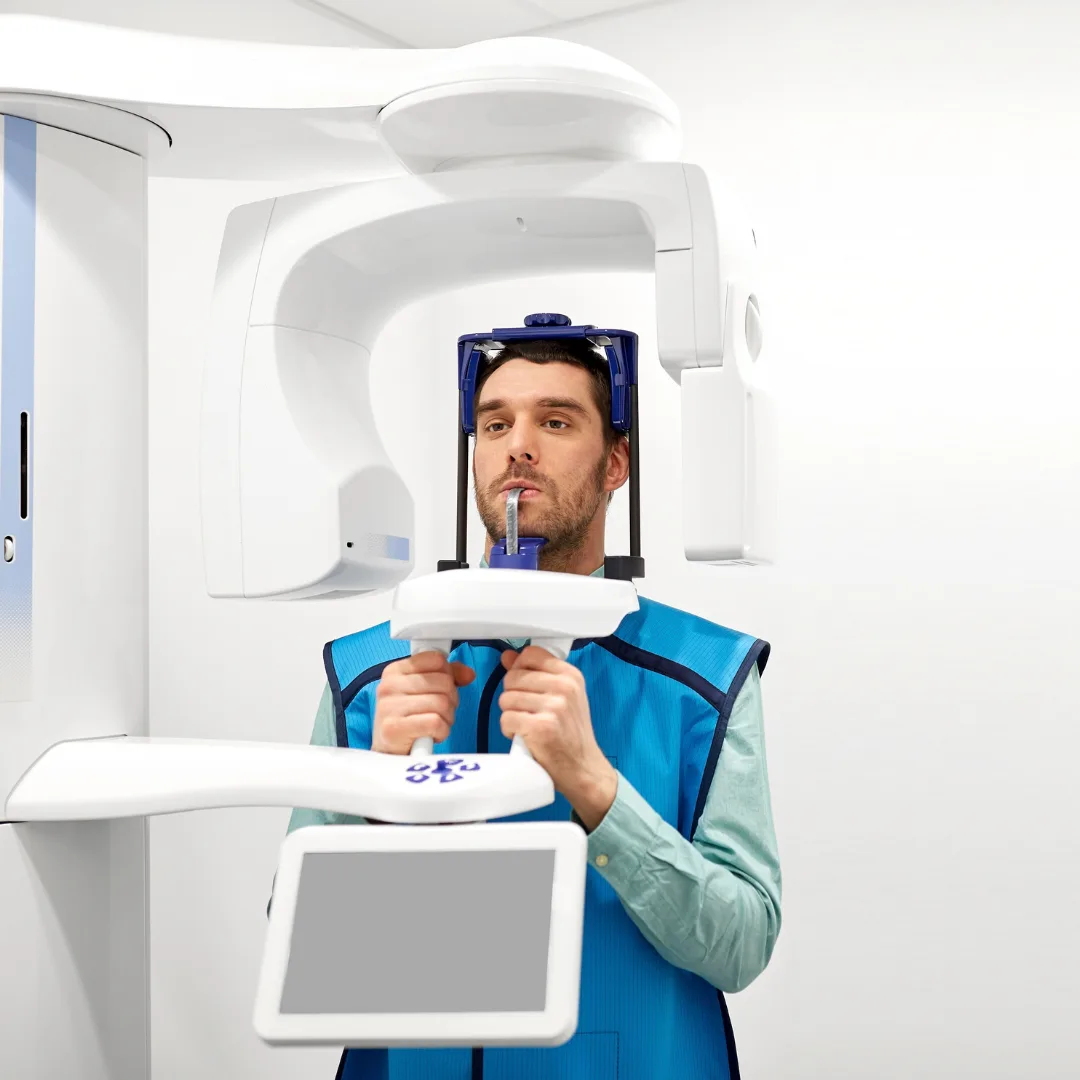
Dental X-rays use a focused beam of radiation directed at your teeth and jaw. A lead apron protects the rest of your body. The radiation doesn’t scatter throughout your entire body. It’s precisely targeted. This focused approach minimizes unnecessary exposure. Modern X-ray machines have a dead-man switch that stops radiation immediately when you release it. The X-ray happens only for a fraction of a second. The exposure is quick and contained.
Who Needs X-Rays and How Often?
X-rays are essential for detecting problems you can’t see. Cavities between teeth, bone loss, infections, and other issues. Without X-rays, dentists can only see surface problems, missing significant issues until they’re advanced. Frequency of X-rays depends on your risk factors and whether you have symptoms. Some patients need full-mouth X-rays annually. Others with excellent dental health might need them less frequently. Patients with active cavity risk might need more frequent imaging. Your dentist uses clinical judgment about when X-rays are necessary. If you’re having a specific problem, your dentist might recommend X-rays to diagnose it. Regular checkup X-rays help spot developing problems early. The key principle is that the benefits of diagnostic imaging far outweigh the minimal radiation risk. A cavity found early, an infection detected before it causes pain, or oral cancer spotted in its earliest stage. These discoveries are worth the tiny radiation exposure.
Special Populations
Pregnant women have special considerations. Radiation of any kind should be minimized during pregnancy. However, dental X-rays with a lead apron protecting the abdomen have been shown to be safe even during pregnancy. If you’re pregnant and need dental care, tell your dentist. Necessary X-rays can be taken with extra precautions. Children also warrant careful consideration. Children have more years ahead of them, so minimizing unnecessary radiation is prudent. However, children who need X-rays to detect cavities or other problems should get them. The benefit of early detection outweighs the minimal risk from the radiation.
Comparing Risks
Consider risk in context. People who avoid dental X-rays don’t expose themselves to zero risk. They expose themselves to the risk of undetected dental disease, which can lead to infections, tooth loss, expensive treatment, and overall health complications. An untreated tooth infection can spread to your sinus, jaw, or brain, creating serious health consequences. An undetected cavity becomes a larger cavity requiring more extensive treatment. These consequences are far worse than the minimal radiation from a dental X-ray.
Choosing Digital and Reputable Practitioners
When choosing a dentist, look for one using digital X-ray technology. It’s become the standard of care in modern practices. Digital equipment is generally newer and more precisely calibrated than older film equipment. Reputable practices use X-rays appropriately. Taking them only when clinically indicated, not routinely “just in case.” A good dentist explains why X-rays are recommended and discusses the minimal radiation risk. Ask about their lead apron policies. Dentists should provide lead aprons for all X-rays. Some practices use lead-free aprons made from newer materials, which also provide excellent protection.
The Bottom Line
Digital dental X-rays are safe. The radiation exposure is minimal and far outweighed by the benefits of early detection. Avoiding necessary X-rays out of fear of radiation exposure actually increases your health risk by delaying diagnosis of problems. Modern dental X-rays represent a balance between getting the diagnostic information needed to maintain your health and using the lowest radiation dose possible to get that information. This principle, called ALARA. As Low As Reasonably Achievable. Guides modern practice. If your dentist has recommended X-rays, you can feel confident that the benefits far outweigh the minimal risks. Schedule your appointment at Thrive Dental in Dixon for your dental checkup and necessary imaging. We use modern digital X-ray technology with all the safeguards in place to protect you while giving us the information we need to keep your smile healthy.