If your child’s dentist has recommended fluoride treatments, you might have questions. Is fluoride safe? Does my child really need it? How often should they receive treatments? As a parent, you want to make the best decision for your child’s health, and that means understanding what fluoride does and why dentists recommend it.
What Is Fluoride and How Does It Work?
Fluoride is a mineral that naturally occurs in water, soil, and some foods. It’s also added to many municipal water supplies and toothpaste. Fluoride works by strengthening tooth enamel. The hard outer layer that protects teeth from decay. When your child eats or drinks, acids attack tooth enamel. If enamel weakens, bacteria can penetrate and create cavities. Fluoride reverses early enamel damage through a process called remineralization. It fills tiny pits in enamel and makes teeth more resistant to future acid attacks. Think of it like weatherproofing paint for your home. The paint doesn’t prevent rain, but it helps the wood withstand it better. Fluoride doesn’t prevent sugary foods, but it helps teeth resist decay.
Is Fluoride Safe for Children?
This is the question parents ask most often. The short answer: fluoride is safe for children when used appropriately. Decades of research and millions of children receiving fluoride treatments have established a strong safety record. Professional fluoride treatments use higher concentrations than what’s in toothpaste or water, but they’re applied directly to teeth by a dentist and rinsed away. Your child doesn’t swallow significant amounts. Accidental swallowing of small amounts doesn’t cause harm. Fluorosis. A condition causing white spots on teeth. Occurs when children consume excessive fluoride during tooth development. It’s a cosmetic issue, not a health threat, and it’s rare in children receiving professional fluoride treatments as recommended. It’s far more common in areas with naturally high fluoride levels or from excessive ingestion of fluoride toothpaste. The American Academy of Pediatric Dentistry, American Dental Association, and countless public health organizations endorse fluoride for children’s dental health. These aren’t casual endorsements. They’re based on extensive research demonstrating safety and effectiveness.
Who Should Get Fluoride Treatments?
Most children benefit from professional fluoride treatments. Your child’s dentist can assess whether they need them based on their decay risk. Children with a history of cavities definitely should receive fluoride treatments. So should children who are new to brushing and still developing good habits. Children drinking non-fluoridated well water may benefit more than those in fluoridated municipal areas, though both groups can benefit. Children with orthodontic braces, which make cleaning difficult, are good candidates. Children with special health needs that make brushing challenging often receive professional fluoride treatments. Even children with excellent oral hygiene benefit from fluoride treatments. A dentist can apply it in concentrations and locations that home care can’t match, especially between teeth and below the gumline.
When Do Children Start Getting Treatments?
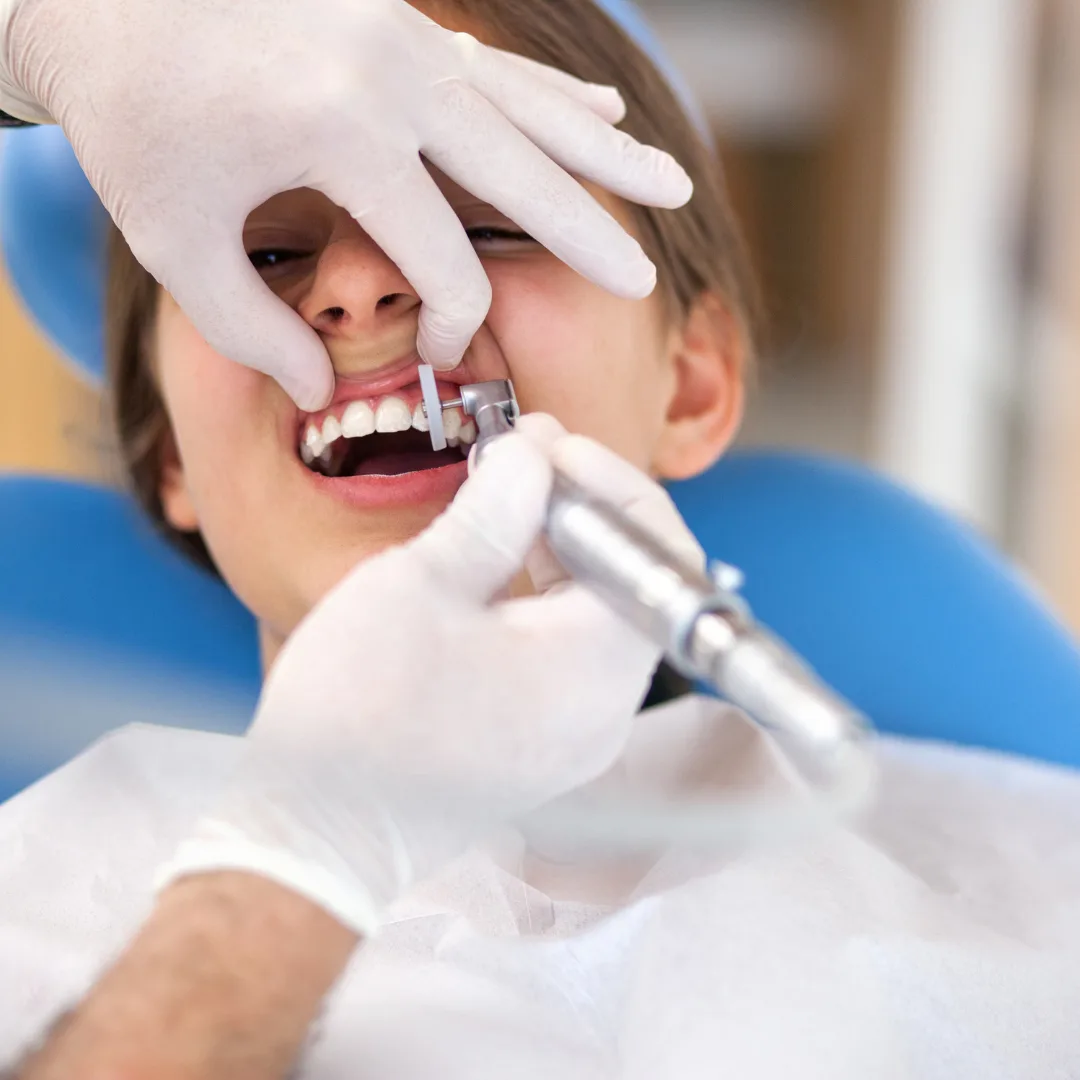
Dentists typically begin fluoride treatments once your child’s first tooth erupts, usually around six months old. Initially, treatments might be applied to the parent’s finger and rubbed on the tooth. As your child grows, treatments become more formal. At Thrive Dental, we tailor treatments to your child’s age and development. Younger children might receive fluoride varnish, which is painted on teeth and tastes better than some alternatives. Older children often receive fluoride gel, which is applied in a tray for a few minutes.
How Often Do Children Need Treatments?
Most children receive professional fluoride treatments twice yearly. At the same schedule as regular checkups and cleanings. Some high-risk children receive them more frequently. Your dentist will recommend the right frequency for your child. At home, your child should brush with fluoride toothpaste daily. Use a smear-sized amount for children under three, and a pea-sized amount for children three to six. Older children can use slightly more.
What About Fluoride and Other Preventive Measures?
Fluoride works best as part of a complete prevention strategy. Your child should still brush twice daily, floss once daily once teeth touch, and limit sugary snacks and drinks. Dental sealants provide additional protection on the chewing surfaces of back teeth. Regular checkups let your dentist catch decay early and spot any developing problems. Combined with good home care and professional fluoride treatments, these measures dramatically reduce cavity risk.
The Real-World Impact
Consider what professional fluoride treatments mean in practical terms. A child receiving fluoride treatments is significantly less likely to develop cavities. Fewer cavities means fewer dental procedures, less time in the dental chair, less dental anxiety, and less cost for your family. Plus, there’s research suggesting that children with healthy baby teeth are more likely to have healthy adult teeth. The foundation matters.
Making Your Decision
If your child’s dentist has recommended fluoride treatments, you now have the information to understand why. Fluoride is safe, effective, and recommended by major health organizations. It’s a simple, quick procedure that strengthens your child’s teeth and protects their health. If you have specific concerns based on your family history or your child’s health, discuss them with your dentist. They can address your questions and help you make the best decision for your child. When you’re ready to discuss your child’s preventive care options, including fluoride treatments, schedule an appointment at Thrive Dental in Dixon. We’ll work with you to build a prevention plan that keeps your child’s smile healthy.