Over 54,000 people are diagnosed with oral cancer each year in the United States. It’s a serious disease, but here’s the hopeful part: when caught early, oral cancer is highly treatable. The difference between early detection and late detection can mean the difference between a few weeks of treatment and years of intensive therapy. It can mean the difference between survival and facing the disease’s worst outcomes. This is why oral cancer screenings during your dental checkups matter so much. They’re simple, quick, and they could literally save your life.
What Is Oral Cancer?
Oral cancer can develop in any tissue of your mouth: your lips, tongue, cheeks, palate, gums, or throat. Most oral cancers are squamous cell carcinomas, meaning they start in the flat cells lining your mouth. Early-stage oral cancer often appears as a white or red patch in your mouth that doesn’t go away, or a sore that doesn’t heal within two weeks. It might appear as an unusual growth, swelling, or lump. You might have difficulty chewing or swallowing. Your ear might hurt. The problem is that these early signs often don’t cause pain. You might not notice them. You might notice them but assume they’re nothing serious. This is why professional screening is so important. Your dentist knows what to look for and takes it seriously.
Risk Factors for Oral Cancer
Tobacco use is a major risk factor. Smoking cigarettes, cigars, or a pipe increases risk significantly. Chewing tobacco and snuff also increase risk. The longer and more heavily you use tobacco, the higher your risk. Alcohol consumption increases risk, especially when combined with tobacco use. Heavy drinking is riskier than moderate drinking, but there’s no completely safe level. Human papillomavirus (HPV) is an emerging risk factor. HPV-related oral cancers are becoming increasingly common, particularly in younger people without traditional risk factors like smoking or heavy drinking. Sun exposure increases lip cancer risk. If you spend significant time outdoors without lip protection, you’re at higher risk. Age is a factor. Most oral cancers occur in people over 40, though younger people can develop them too. A history of cancer elsewhere in your body increases risk for oral cancer. But here’s important context: not everyone with risk factors develops oral cancer. Many people without obvious risk factors do. This is why screening is recommended for everyone, regardless of risk factors.
What Happens During an Oral Cancer Screening
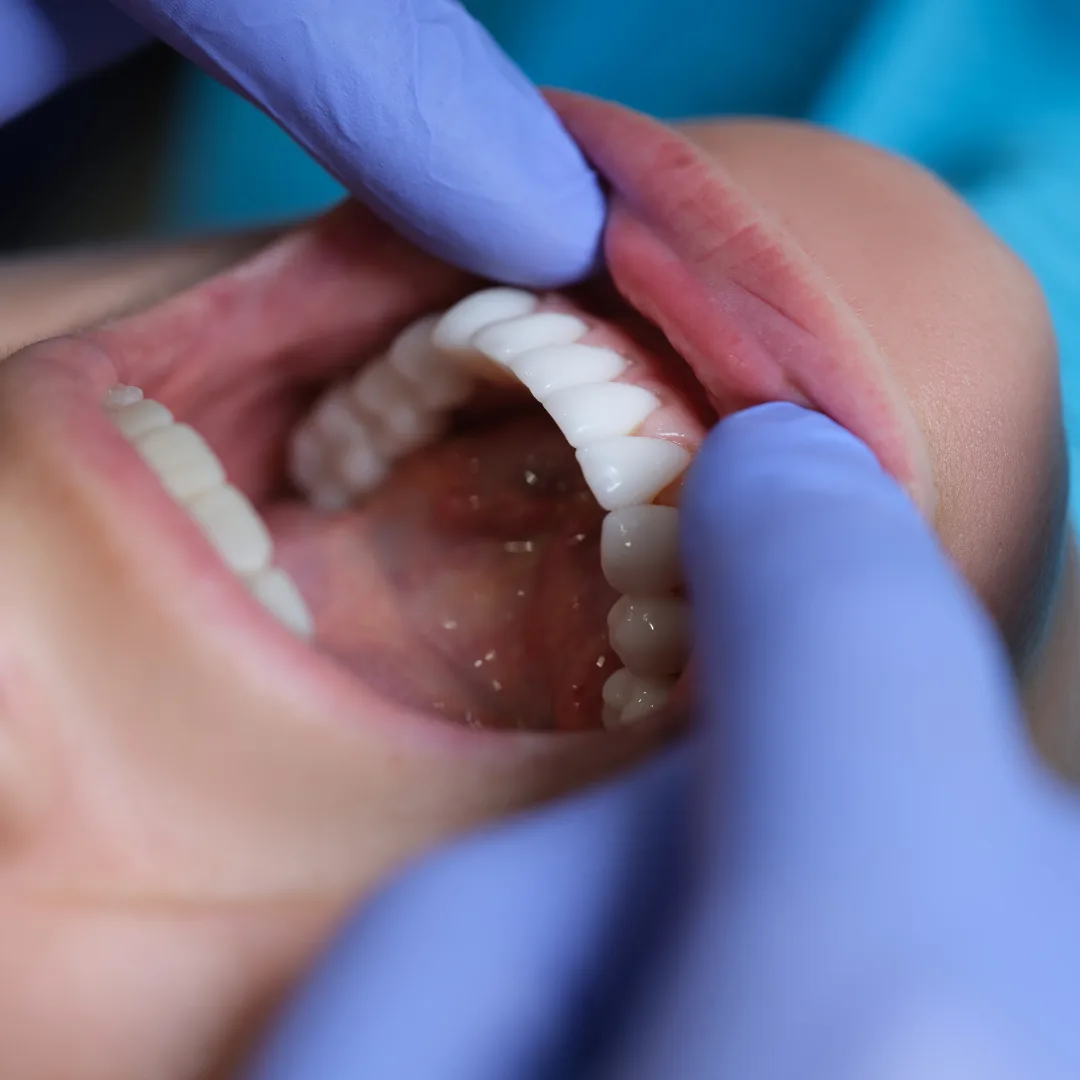
Your dentist performs oral cancer screening during regular checkups. It doesn’t require special equipment or take much time. Your dentist examines your lips, cheeks, gums, tongue, palate, and throat. They look for any unusual appearance. Color changes, sores, growths, or abnormalities. They feel the tissues in your mouth, checking for lumps or unusual thickness. They check the lymph nodes in your neck for swelling. If they notice anything concerning, they might take a biopsy. Removing a small tissue sample for laboratory analysis. The entire screening takes just a few minutes. Most patients feel little to no discomfort. It could be the most important few minutes of your health checkup.
Early Detection Changes Everything
When oral cancer is detected at stage 1. Meaning it hasn’t spread beyond the original site. Early detection significantly improves outcomes. Most treatment can be accomplished with surgery alone, sometimes combined with radiation. Compare that to advanced oral cancer detected at stage 4. advanced oral cancer has much poorer treatment outcomes. Treatment typically requires surgery, radiation, and chemotherapy. The side effects are significant. Quality of life during and after treatment is severely impacted. The difference comes down to early detection. A cancer caught early is easier to treat, requires less aggressive therapy, and has better outcomes.
Risk Assessment and More Frequent Screening
If you have risk factors for oral cancer, talk to your dentist about more frequent screening. Instead of a single screening during your annual checkup, you might benefit from screening every three to six months. If you smoke or use smokeless tobacco, your dentist will strongly encourage you to quit. Quitting reduces your cancer risk immediately and continues reducing it as years pass. If you drink heavily, cutting back or eliminating alcohol is important for many health reasons, including oral cancer prevention. If you’re sexually active, discuss HPV with your dentist. A vaccine against HPV can prevent HPV-related oral cancer if given before exposure to the virus. If you’ve already been exposed, the vaccine is less effective but might still provide some protection.
What You Can Do
Get regular dental checkups that include oral cancer screening. These are your primary defense. If you have risk factors, discuss them with your dentist so they can monitor you more closely. Be aware of changes in your mouth. If you notice a sore that hasn’t healed in two weeks, a white or red patch, unusual swelling, or difficulty swallowing, contact your dentist immediately. Don’t wait for your regular checkup. If you use tobacco or alcohol, consider quitting or reducing use. These changes benefit your entire body, not just your mouth. Protect your lips from sun damage. Use lip balm with SPF when you’re outdoors.
Peace of Mind
One of the best things about oral cancer screening is the peace of mind it provides. If your dentist finds nothing concerning, you can feel reassured. If they find something, catching it early means far better outcomes. Oral cancer is serious, but early detection and modern treatment have dramatically improved survival rates. Your dentist is trained to spot early warning signs that you might miss. Regular screening is one of the most powerful preventive tools available. Make oral cancer screening part of your regular health routine. Schedule your appointment at Thrive Dental in Dixon today. We’ll perform a thorough screening and discuss any concerns. Your health is too important to overlook.