When you hear the words “root canal,” you might immediately think of pain. Of suffering. Of something to avoid at all costs. The irony is that root canal treatment actually relieves pain. And the pain you’d experience without it is far worse than the procedure itself.
Why Do You Need a Root Canal?
A root canal becomes necessary when the pulp inside your tooth becomes infected or inflamed. The pulp is the soft tissue in the center of your tooth that contains nerves and blood vessels. When the pulp gets infected, it causes intense pain. The infection also spreads if left untreated, potentially leading to an abscess. A collection of pus that damages bone and surrounding teeth. What causes pulp infection? Usually a deep cavity that hasn’t been treated. Sometimes a cracked tooth. Trauma to the tooth. Even repeated dental procedures on the same tooth can irritate the pulp enough to cause infection. Symptoms that you might need a root canal include severe pain when biting or chewing, prolonged sensitivity to hot or cold temperatures, discoloration or darkening of the tooth, and swelling in the gums or jaw. Not everyone has all these symptoms, which is why professional evaluation is important.
What Actually Happens During a Root Canal
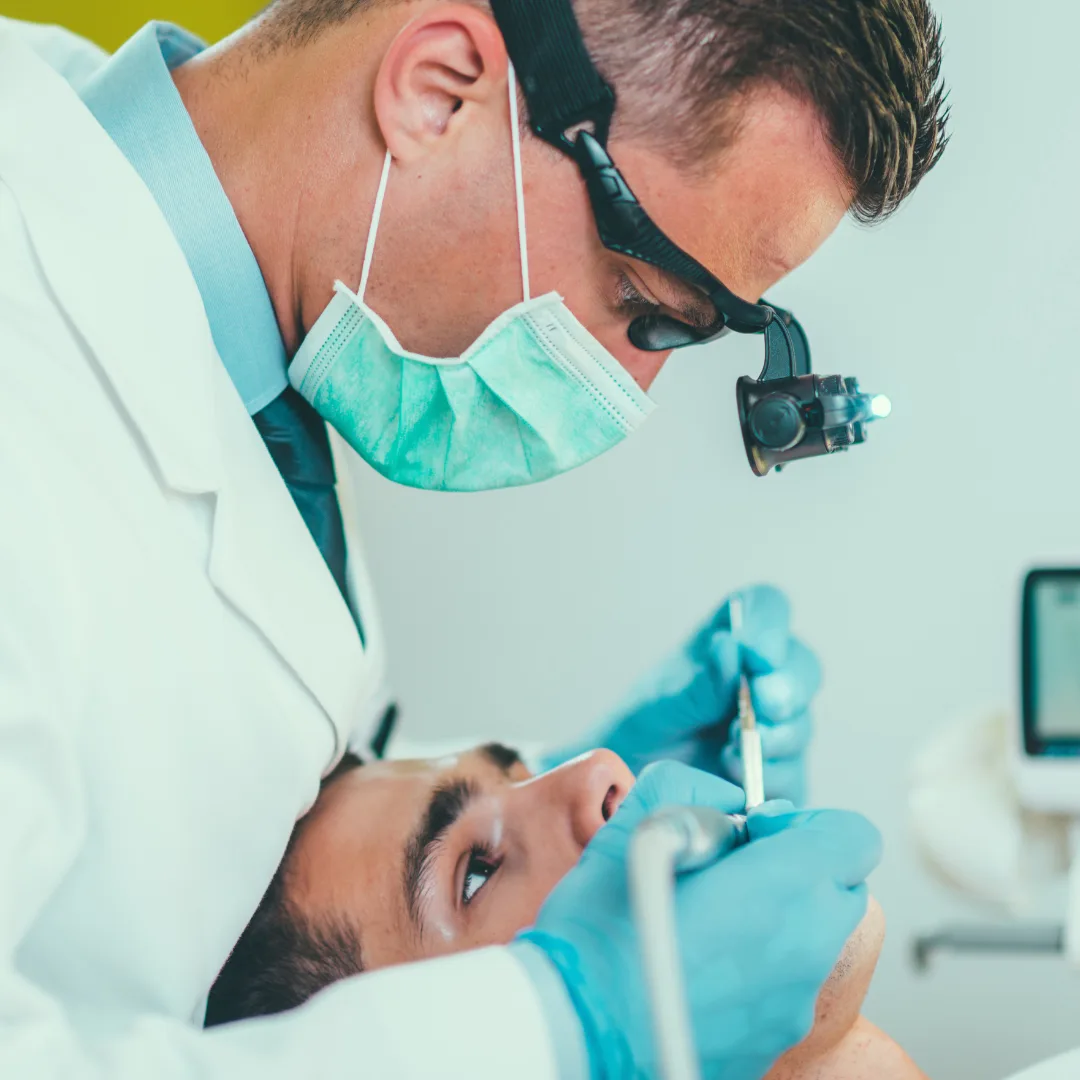
Here’s where most people’s fears are unfounded. A root canal isn’t torture. Modern root canal therapy uses effective anesthetics and modern techniques. You’ll be numb and comfortable during the procedure. More comfortable than you’d be without treatment, actually, since you’re in pain now. Your dentist starts by taking X-rays to assess the tooth and plan the procedure. They apply local anesthesia to numb the tooth and surrounding area. Once you’re numb, you shouldn’t feel sharp pain during the procedure. You might feel pressure or vibration from the tools, but not pain. Your dentist then places a rubber dam around the tooth. This isolates it, keeps it dry, and prevents bacteria and water from entering the canal while they work. It might feel a bit odd, but it’s a standard part of the procedure. Next, they create an access hole in the tooth to reach the pulp chamber. Using specialized instruments called files, they remove the infected pulp tissue and clean the inside of the tooth. The canal system is shaped and cleaned thoroughly. This process is called pulp extirpation. Once the canal is clean and shaped, it’s filled with a biocompatible material called gutta-percha. This material seals the canal, preventing future infection. Your dentist places a temporary filling to close the access hole. The entire process typically takes 30 minutes to an hour for a single-rooted tooth. Multi-rooted teeth might take longer.
After the Procedure
After a root canal, your tooth is more fragile than before because the pulp is removed. Your dentist will usually recommend placing a crown on the tooth within a few weeks. A crown protects the tooth and restores its strength, allowing you to chew normally. You might have some sensitivity or mild discomfort for a few days after the procedure. Over-the-counter pain relief typically manages this. You can usually return to normal activities the next day, though you should avoid chewing on the treated tooth until the crown is placed. In most cases, you can eat soft foods immediately after the procedure. Avoid very hot foods and drinks for the first day.
Root Canal vs. Extraction
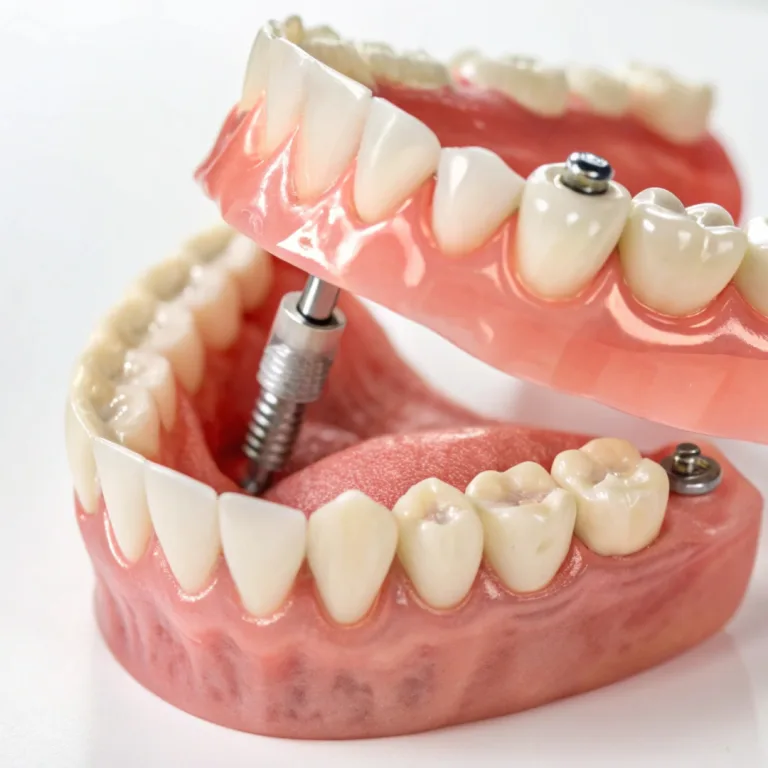
Here’s the fundamental question: should you get a root canal or extract the tooth? Extraction seems simpler, but it creates problems. Your teeth are designed to work together. When one is missing, the others shift position. Your bite changes. Chewing becomes less efficient. The jawbone under the missing tooth deteriorates over time. Replacing an extracted tooth requires an implant, bridge, or denture. All of which are more expensive and more complicated than a root canal. An implant can cost several thousand dollars. A bridge affects surrounding healthy teeth. A denture requires ongoing maintenance. Saving your natural tooth with a root canal is almost always the better choice. Your own tooth, even one that’s had a root canal, functions better than any replacement. It looks more natural and functions more naturally.
The Real Experience
Most patients who’ve had root canal treatment report that it’s less unpleasant than they feared. The anticipation is worse than the reality. Once you’re numb and the procedure begins, you realize you’re not in pain. You’re in a dental chair getting your tooth treated. Many patients even nap during the procedure. The relief you feel after root canal treatment is remarkable. The infection that was causing you severe pain is gone. The tooth is saved. You can return to normal eating and activities. That relief makes any discomfort during the procedure seem worthwhile.
Modern Advantages
Modern dentistry has made root canal treatment faster and more successful than ever. Digital imaging lets dentists see the canal system clearly. Rotary instruments are more efficient than hand files. Some dentists use microscopes to see inside the tooth better. These advances mean faster procedures and higher success rates. Success rates for root canal treatment are high. Very high long-term success rates. Complications are rare.
Don’t Wait
If you’re experiencing symptoms that suggest you might need a root canal, don’t wait hoping it improves. The infection won’t go away on its own. It will only worsen. The longer you wait, the more likely the infection spreads and causes additional problems. If your dentist recommends a root canal, they’re recommending the best way to save your tooth. Trust that recommendation. Your dentist has examined your tooth and determined this is the right treatment. If you’re in pain or suspect you might need root canal treatment, schedule an appointment at Thrive Dental in Dixon. We’ll evaluate your tooth, explain your options clearly, and perform any necessary treatment with care and precision. Your tooth is worth saving.