If you’ve been diagnosed with sleep apnea, your doctor probably mentioned CPAP therapy. Continuous positive airway pressure using a mask. But there’s an alternative that many patients prefer: oral appliance therapy using a device your dentist can create.
Understanding Sleep Apnea
Sleep apnea occurs when your airway repeatedly closes during sleep. You stop breathing briefly. Sometimes dozens of times per hour. Then gasp awake. You might not consciously remember these awakenings, but they prevent deep, restorative sleep. Untreated sleep apnea increases risk of heart disease, stroke, diabetes complications, and high blood pressure. It affects daytime functioning. Many people with untreated sleep apnea are chronically tired.
CPAP Therapy
CPAP machines deliver pressurized air through a mask you wear while sleeping. The pressure keeps your airway open. CPAP is highly effective, but many people find masks uncomfortable. They’re bulky, can feel claustrophobic, and some people struggle to tolerate them. Compliance is often a problem. People stop using them because they’re uncomfortable.
Oral Appliance Therapy
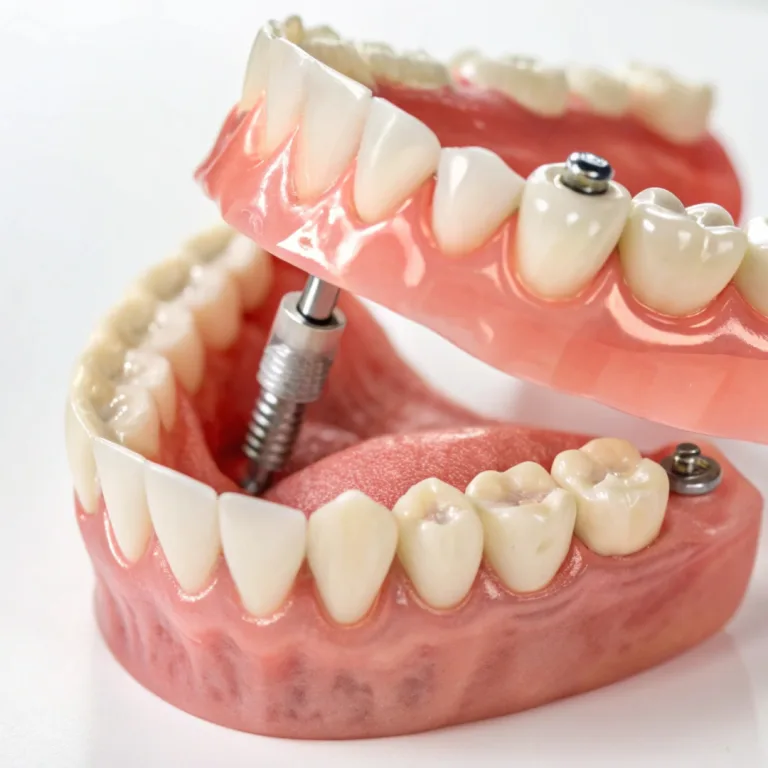
Oral appliances are custom-made devices you wear in your mouth while sleeping. They look similar to sports mouthguards or orthodontic retainers. The device works by moving your lower jaw slightly forward. This opens your airway, allowing normal breathing. Unlike CPAP, the device:
- Is small and portable
- Doesn’t require electricity or masks
- Is quieter
- Is often more comfortable
- Might be more tolerable for travel
The Process
Your dentist takes impressions of your teeth and works with a laboratory to create a custom appliance. Once made, the appliance is adjusted to the optimal position. Just far enough forward to keep your airway open without causing discomfort. You’ll likely need a follow-up sleep study to confirm the appliance is effectively treating your apnea.
Effectiveness
Oral appliances work well for mild to moderate sleep apnea. Some studies show effectiveness comparable to CPAP for mild to moderate cases. For severe apnea, CPAP might be more effective, though oral appliances still help many severe apnea patients. Talk to your doctor about whether an oral appliance is appropriate for your specific diagnosis. Your sleep specialist determines whether oral appliance therapy is appropriate for your specific situation.
Side Effects
Some people experience temporary jaw soreness or tooth movement. These usually resolve or are manageable. Dry mouth can occur. Your dentist discusses management strategies. Most side effects are minor and well-tolerated compared to discomfort from CPAP masks.
Dental Considerations
Oral appliances affect your teeth and jaw. You need regular dental checkups to monitor for any movement or wear. Excellent oral hygiene is important. You clean your appliance daily like you would brushing your teeth.
Long-Term Use
Oral appliances can be worn indefinitely. Your teeth might shift slightly over time, requiring adjustments. Your appliance might need replacement after several years of wear. Regular checkups with your dentist monitor your dental health and appliance function.
Insurance Coverage
Many insurance plans cover oral appliance therapy. Check your coverage. Some insurance requires trying CPAP first. The cost of an oral appliance is typically $1,500 to $3,000. Some insurance covers much of this.
Real-World Example
James had moderate sleep apnea diagnosed after feeling exhausted despite sleeping 8+ hours nightly. His doctor recommended CPAP. James tried it but found the mask uncomfortable and claustrophobic. Compliance was poor. He discussed oral appliance therapy with his dentist. A custom appliance was created. James found it much more comfortable than CPAP. A follow-up sleep study showed his apnea was effectively treated. James now sleeps well, feels energetic during the day, and comfortably uses his oral appliance nightly.
The Sleep Quality Difference
Many people underestimate how much sleep apnea affects their quality of life. You don’t consciously remember the awakenings, but your body does. Treating sleep apnea transforms daytime energy and alertness.
Getting Evaluated
If you suspect sleep apnea. If you snore, are excessively tired, have witnessed apnea episodes. See your doctor for evaluation. Your doctor orders a sleep study to confirm diagnosis. Once diagnosed, discuss all treatment options. Oral appliance therapy is an excellent alternative to CPAP for many patients. If you’re interested in oral appliance therapy, ask your sleep specialist whether you’re a candidate. Then, contact your dentist about having one created. At Thrive Dental in Stockton, we work with sleep specialists to create oral appliances for sleep apnea patients. If you’ve been diagnosed with sleep apnea and want to explore oral appliance therapy, schedule an appointment with us. We’ll help you get a custom appliance that works for you. Quality sleep is fundamental to health and quality of life. If sleep apnea is affecting yours, treatment helps enormously.