Having a tooth extracted is a routine procedure, but recovery requires proper care. Understanding what to expect and how to support healing helps you recover smoothly and prevents complications.
Immediately After Extraction
Bite firmly on the gauze your dentist provided. This pressure helps stop bleeding. Keep the gauze in place for 30 to 45 minutes. You might feel pressure or pulling during the extraction, but you shouldn’t feel pain due to anesthesia. The anesthesia wears off over the next few hours. Some soreness is normal. Take pain medication as recommended before the anesthesia wears off. This is more effective than waiting until pain is severe.
The First 24 Hours
Avoid vigorous rinsing or spitting. These actions can dislodge the blood clot that forms in the socket. A condition called dry socket. Avoid drinking from straws. The suction can dislodge the clot. Don’t smoke or use tobacco. These greatly increase complications. Avoid alcohol, especially with pain medication. Sleep with your head elevated. Lying flat increases swelling. Apply ice to your cheek in 15-minute intervals. Ice reduces swelling and pain. Eat soft foods. Yogurt, smoothies (no straw), applesauce, pudding, ice cream. Avoid hot foods initially.
Swelling and Discomfort
Some swelling is normal. It typically peaks on days two and three, then gradually decreases. Take pain medication on schedule rather than waiting until pain is severe. This prevents pain buildup. Take ibuprofen as directed on the package. It reduces both pain and inflammation. Use ice during the first 24 to 48 hours. After that, warm compresses help more.
The First Week
By day two or three, you can usually rinse gently with warm salt water (1/2 teaspoon salt in 8 ounces water). Rinse after eating. Continue eating soft foods. Progress to slightly more substantial foods as comfort increases. Continue taking pain medication as needed, but you should need less as days pass. Your dentist might want to see you a week after extraction for a follow-up. Go to this appointment even if you feel fine.
What to Eat
Soft foods work best initially:
- Yogurt
- Pudding
- Applesauce
- Smoothies (sipped from a cup, not through a straw)
- Soups (cool to warm, not hot)
- Mashed potatoes
- Scrambled eggs
- Soft cheeses
- Ice cream
- Avocado
- Bananas
Avoid hard, crunchy, or sticky foods. These can irritate the socket or dislodge the clot. Avoid very hot foods initially. They increase swelling and bleeding. After a few days, introduce gradually more substantial foods. Most people return to normal diet within a week or two.
Pain and Swelling Management
Pain typically peaks in the first 24 hours and gradually decreases over the next week. Mild discomfort lingering for a week or two is normal. Significant pain increasing after a few days might indicate dry socket or infection. Contact your dentist. Swelling increases for the first 2-3 days, then decreases. Swelling at a week postoperative is normal; it might be bruising rather than swelling.
Complications to Watch For
Dry socket is the most common complication. It occurs when the blood clot dislodges. Symptoms include severe pain 3-4 days after extraction. Avoid dry socket by not rinsing, spitting, smoking, or using straws for at least 5-7 days. Infection can occur. Signs include increasing pain, fever, facial swelling, or pus drainage. Contact your dentist immediately. Excessive bleeding lasting more than a few hours is unusual. Contact your dentist. Numbness or tingling that doesn’t resolve within hours might indicate nerve involvement. This is rare and usually resolves spontaneously.
Brushing and Flossing
Wait 24 hours before brushing teeth near the extraction site. After 24 hours, brush gently around (not on) the socket. Wait a full week before flossing near the extraction area. Avoid disturbing the socket while it’s healing.
Back to Normal Activity
Rest for the remainder of the day of extraction. Resume normal activities the next day, but avoid strenuous exercise for 3-5 days. Avoid exercise, heavy lifting, or bending over intensely during the first week. These increase bleeding and swelling. Most people return to all normal activities within a week.
Missing Tooth Replacement
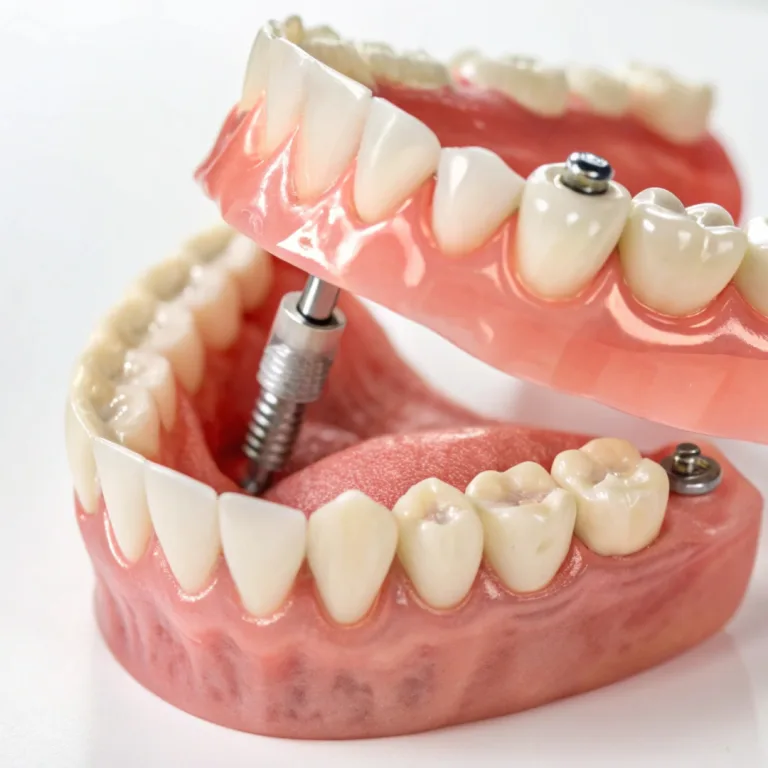
Once healed, you might consider replacing the extracted tooth. Options include dental implants, bridges, or dentures. Discuss replacement options with your dentist. Waiting several months allows bone to stabilize, which is important for implants.
Follow-Up Care
Attend your follow-up appointment with your dentist even if you feel fine. They check that healing is progressing normally. Report any concerns. Unusual pain, persistent swelling, signs of infection. Once healed, maintain excellent oral hygiene to prevent problems with remaining teeth.
The Positive
While extraction isn’t pleasant, it solves the problem causing you pain or infection. Many people feel relief once a problematic tooth is gone. Recovery is typically quick and routine. Most people resume normal life within a week.
Getting Started
If extraction is necessary, your dentist discusses the procedure before performing it. Ask questions about recovery expectations. At Thrive Dental in Yuba City, we perform extractions carefully and provide thorough aftercare instructions. If you have a tooth that needs extraction or want to discuss replacement options, schedule your appointment. We’ll take care of you and help you heal.