Wisdom teeth are your third molars. The last teeth to erupt. They often cause problems, and many people end up having them removed. Understanding why and what’s involved helps you approach extraction with confidence.
Why Do Wisdom Teeth Cause Problems?
Wisdom teeth often emerge during late teens or early twenties. By that time, your other teeth are fully developed and positioned. There often isn’t room for wisdom teeth. When wisdom teeth don’t have space, they become impacted. They can’t erupt normally. They might erupt partially, at an angle, or not at all.
When Removal Is Necessary
Impacted wisdom teeth cause problems. They can damage adjacent teeth, push other teeth out of alignment, or create cavities that are difficult to clean. Infected or diseased wisdom teeth need removal. Pain, swelling, or infection around a wisdom tooth indicates problems. Wisdom teeth that partially erupt create pockets where bacteria accumulate, leading to gum disease and infection. Cysts or tumors can develop around impacted wisdom teeth. Sometimes dentists recommend removing wisdom teeth prophylactically. Even if they’re not currently problematic. To prevent future problems.
Extraction Process
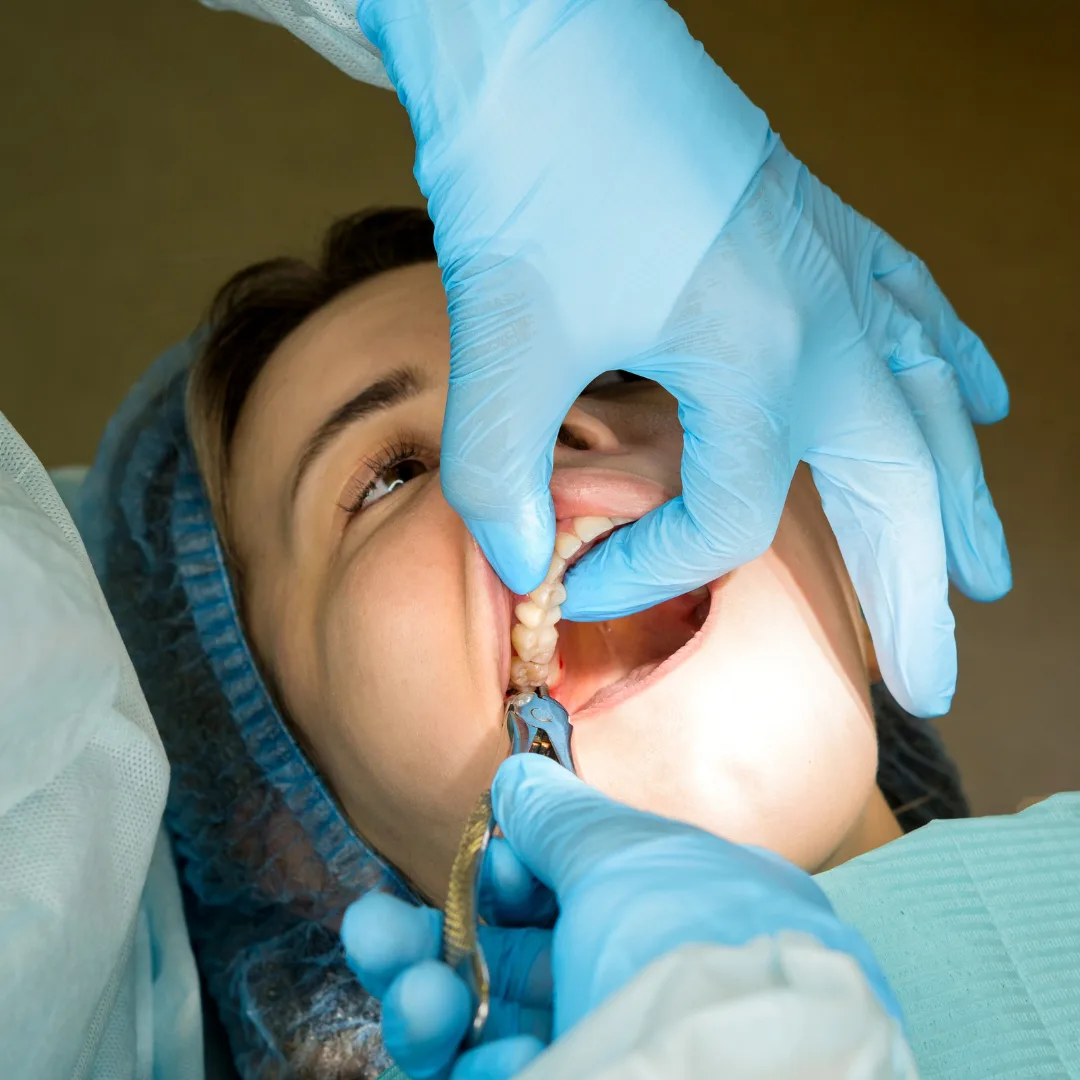
Wisdom tooth extraction is more complex than removing other teeth due to their position and possible impaction. Your dentist takes X-rays to assess the tooth and plan the extraction. Local anesthesia numbs the tooth and surrounding area. If the tooth is impacted, your dentist might remove bone and tissue to access it. The tooth is extracted carefully using special instruments. Once removed, the socket is closed with stitches if needed.
Recovery Timeline
The first 24 hours is the most critical. Bleeding is normal; bite gauze to control it. Pain and swelling peak around day two or three. By one week, most swelling has decreased. Stitches (if used) are removed. Most people return to normal activities within a few days, though complete healing takes several weeks.
Pain Management
Pain medication prescribed or recommended by your dentist manages discomfort. Take it on schedule rather than waiting until pain is severe. Ibuprofen reduces both pain and inflammation. Use ice packs on your cheek to reduce swelling and pain.
Eating After Extraction
Stick to soft foods for the first few days. Progress to more substantial foods as healing allows. Avoid hot foods initially. They increase swelling. Don’t use straws; the suction can dislodge blood clots. Avoid hard, crunchy, or sticky foods that might irritate the socket.
Complications
Dry socket is the most common complication. It occurs when the blood clot dislodges, leaving the bone exposed. Symptoms include severe pain 3-4 days after extraction. Avoid dry socket by not rinsing, spitting vigorously, smoking, or using straws for at least a week. Infection can occur. Signs include fever, increasing swelling, or pus. Contact your dentist immediately.
Prevention
Some dentists recommend extracting all four wisdom teeth at once, even if only one is problematic. This prevents future problems with the others. Others recommend extracting only problematic teeth. Discuss this with your dentist. It depends on your specific situation.
Aftercare
Follow your dentist’s aftercare instructions carefully. This prevents complications and ensures proper healing. Attend any follow-up appointments to ensure healing is progressing normally.
Real-World Scenario
Marcus experienced pain from an impacted wisdom tooth during college. His dentist recommended extraction. The extraction was routine. Recovery took about a week. Marcus was back to normal activities by then. He also had his other wisdom teeth evaluated and decided to have two others removed preventively before they caused problems.
Getting Started
If you’re experiencing pain from wisdom teeth or your dentist has recommended extraction, schedule an appointment at Thrive Dental in Stockton. We’ll evaluate your wisdom teeth and discuss whether extraction is necessary. If removal is recommended, we’ll explain the process and what to expect. Wisdom tooth problems don’t improve on their own. Addressing them prevents bigger problems. Let us help you get relief.